
Getting Started: Security Essentials for Small and Medium Businesses
The practical, budget-conscious starting point for protecting your business, your team, and your customers, without needing a dedicated security hire.
What's the most important cybersecurity checklist item for a small business?
Working, tested backups and a basic incident response plan, they turn a potential business-ending event (ransomware, hardware failure) into a recoverable one.
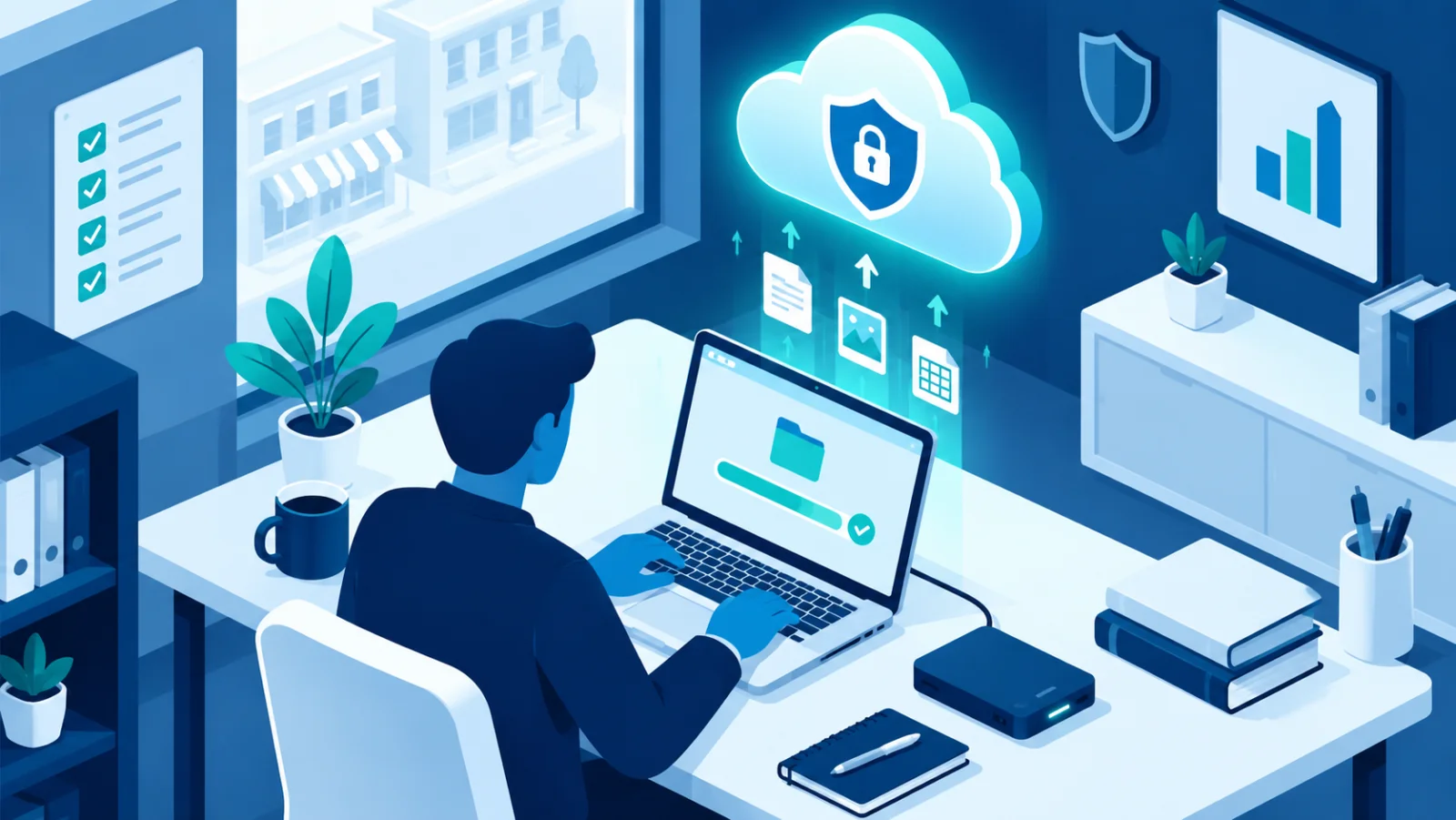
Most security advice is written either for individuals or for enterprises with dedicated security teams, not for the businesses in between that have real assets to protect (customer data, payment systems, a reputation) but no dedicated security staff to protect them. This guide is that missing middle: practical, prioritized, and achievable without hiring a security team.
Why small and medium businesses are a real target
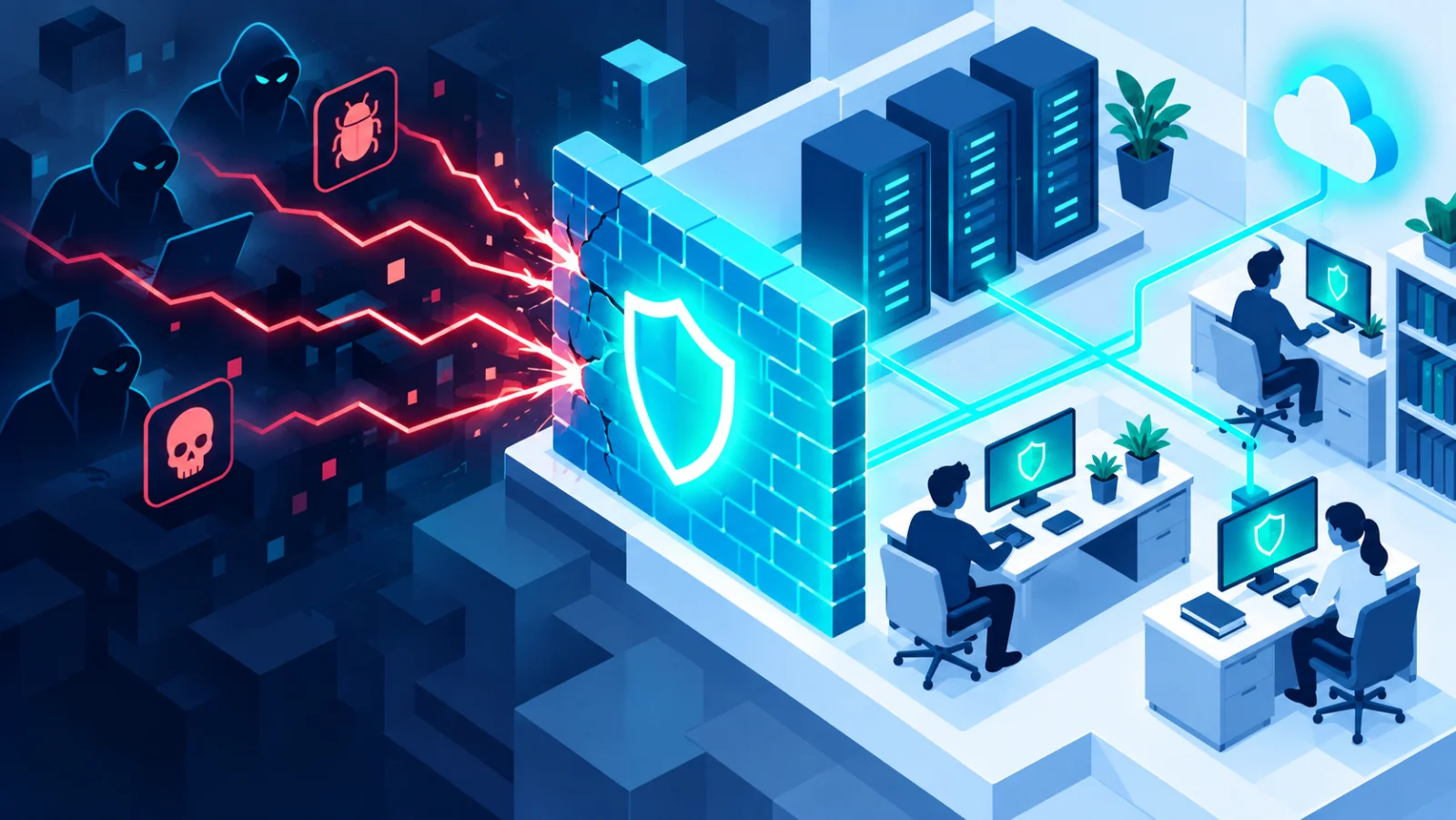
Attackers increasingly favor smaller businesses precisely because defenses tend to be weaker while the potential payout, customer data, payment access, ransom-worthy operational disruption, is still meaningful. "We're too small to be a target" is one of the most common and most costly assumptions a growing business can make.
Start with a recognized baseline
Rather than guessing what to prioritize, a structured framework like Cyber Essentials gives you five concrete controls that close off the most commonly exploited gaps, in an order that's been tested across thousands of organizations. 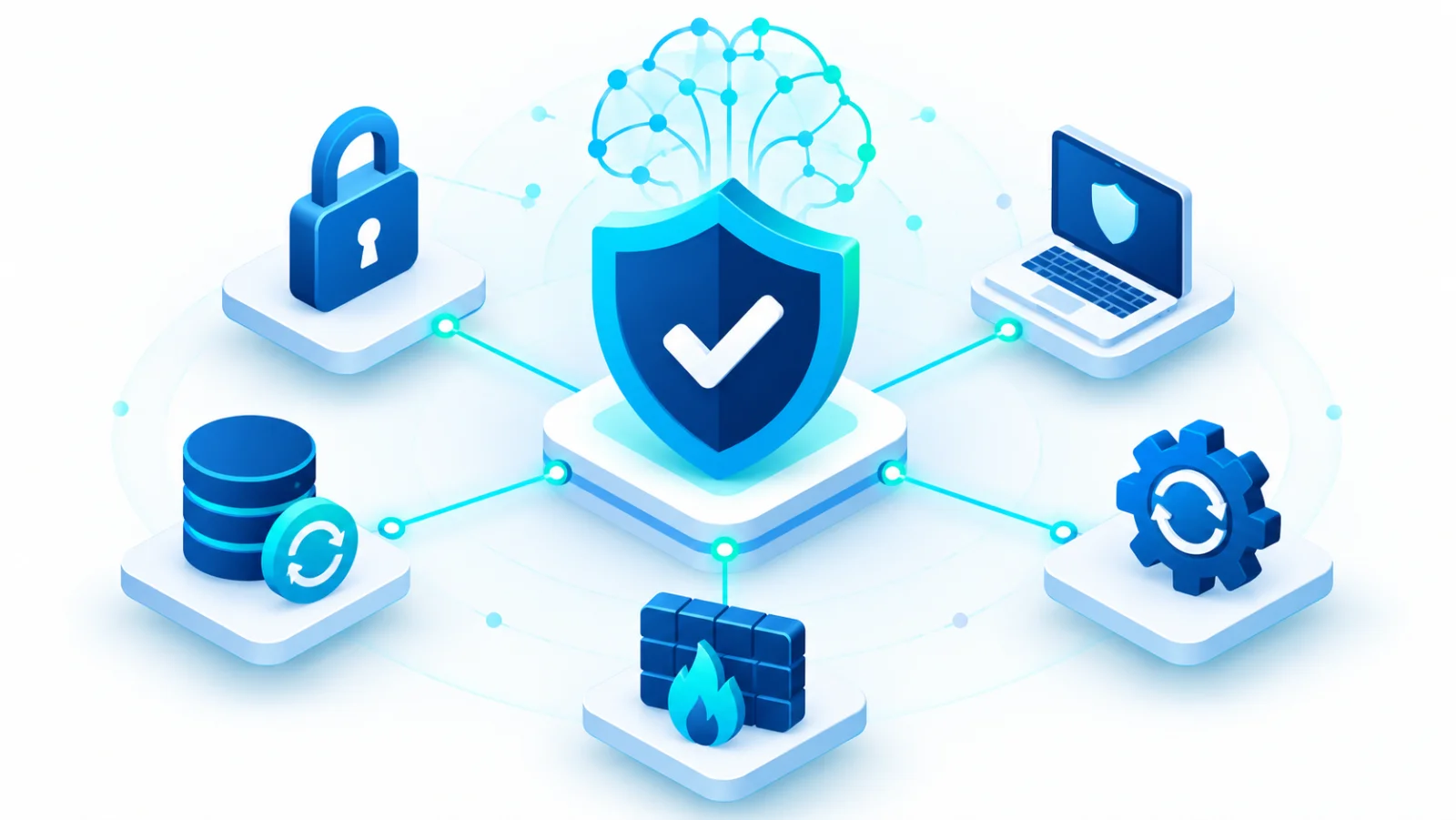
Make sure a bad day can't become a business-ending one
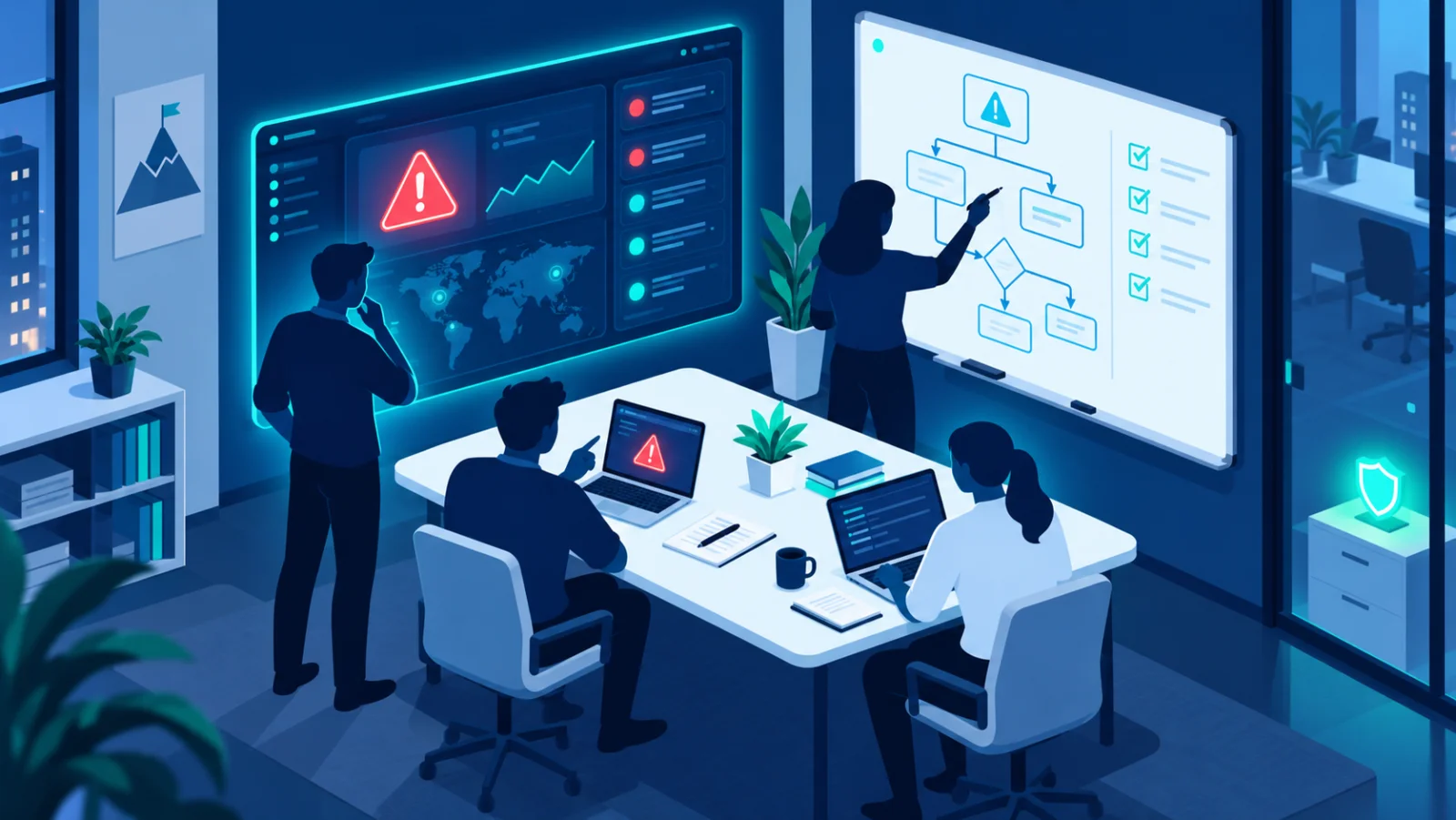
Ransomware↗ and simple hardware failure both have the same fix: backups that actually work and have been tested. Combine this with a basic incident response↗ plan so your team knows what to do in the first hour, not just eventually. 

Close the gap attackers exploit↗ most: unpatched software
A patch management↗ routine, even a simple one, closes off the majority of opportunistic attacks that specifically target known, already-fixed vulnerabilities. 

Train your team to recognize what's actually targeting you
Business email compromise and phishing↗ scams that impersonate your own vendors, your bank, or your own executives cost businesses far more than most people expect, and they're stoppable primarily through awareness, not technology. 

Get the fundamentals genuinely consistent
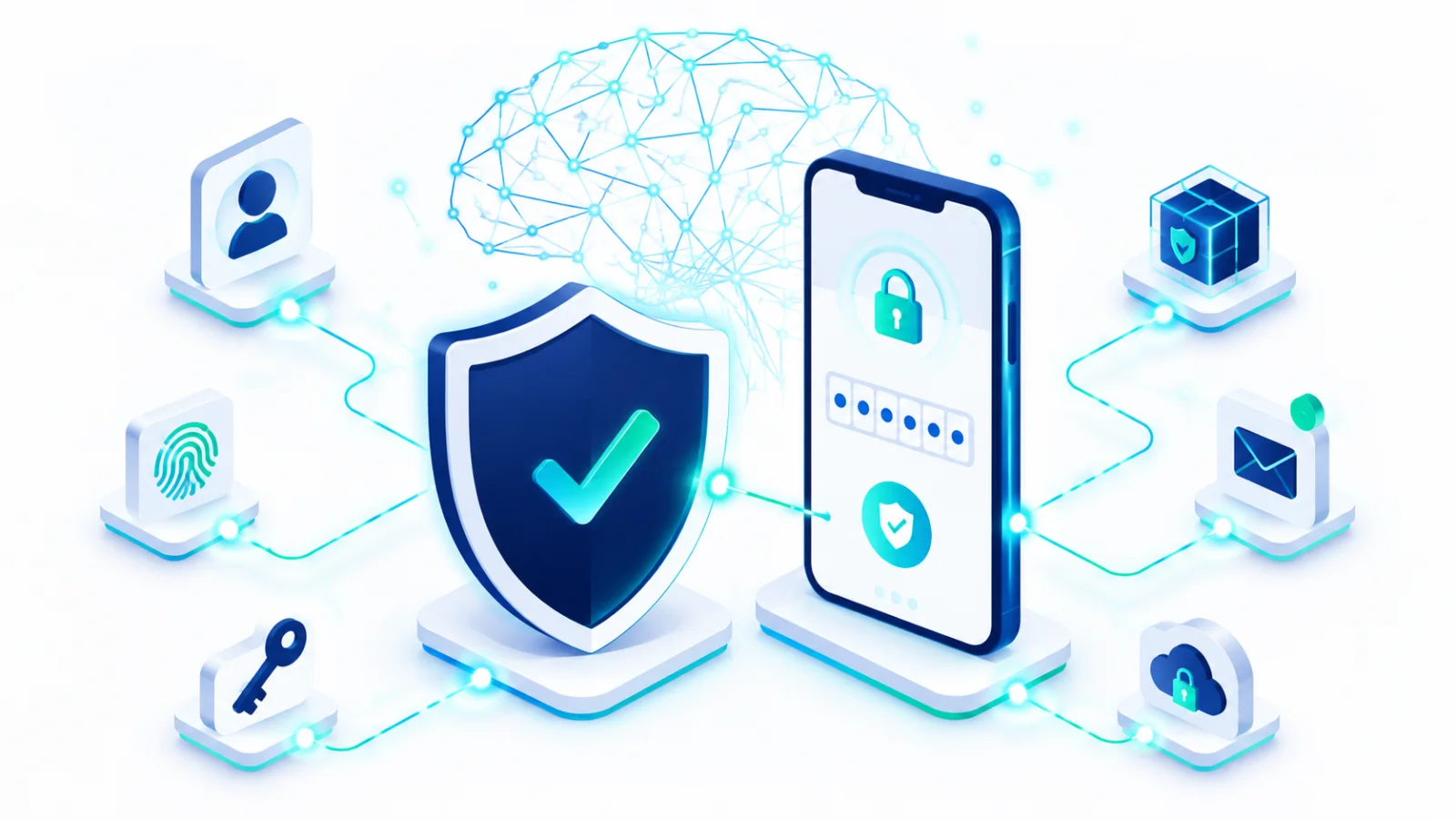
Strong, unique passwords with two-factor authentication↗, devices that update automatically, and secure cloud accounts form the foundation everything else sits on, and they're achievable without any dedicated security budget. 
Cover remote work and the devices that keep multiplying
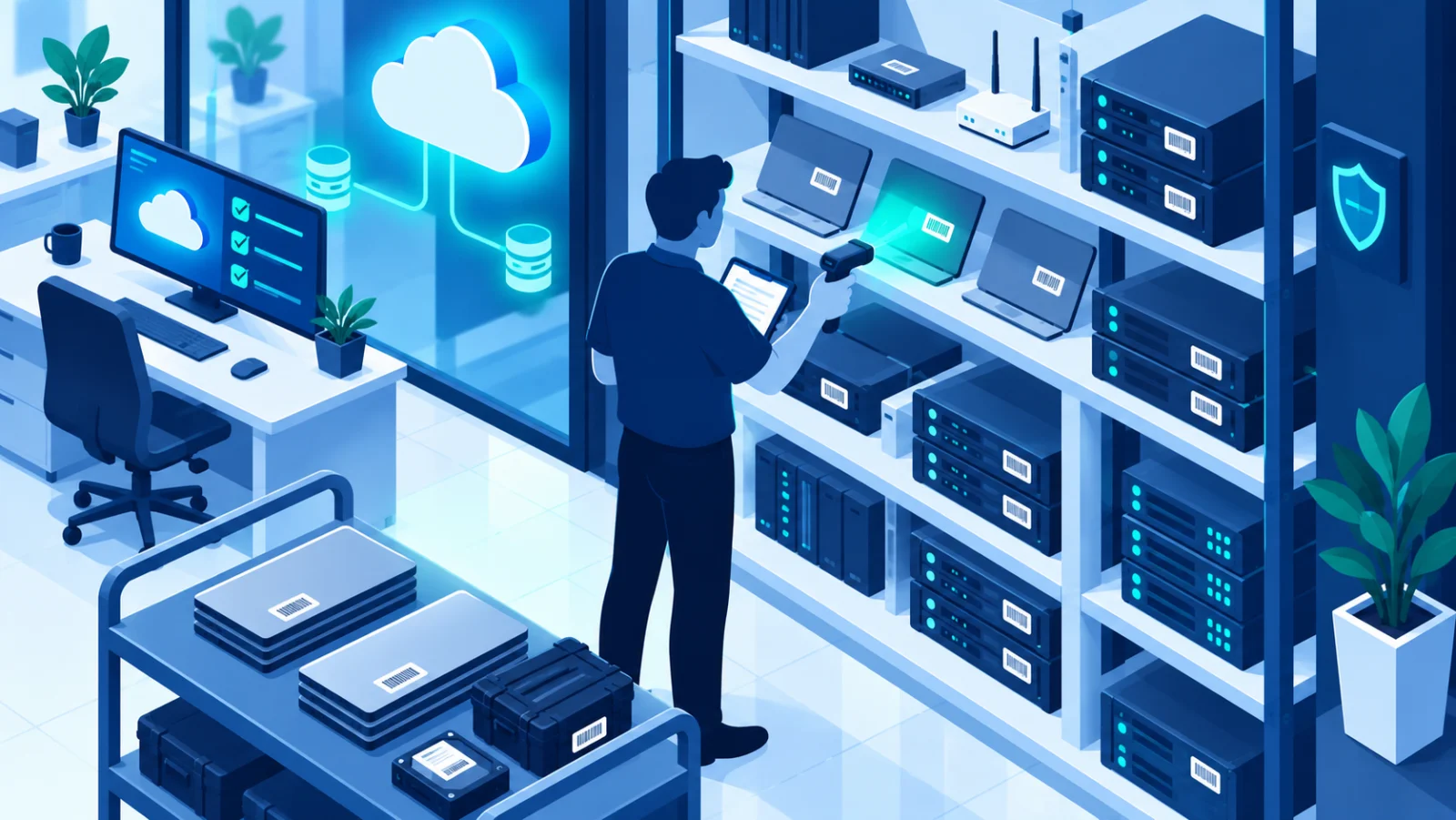
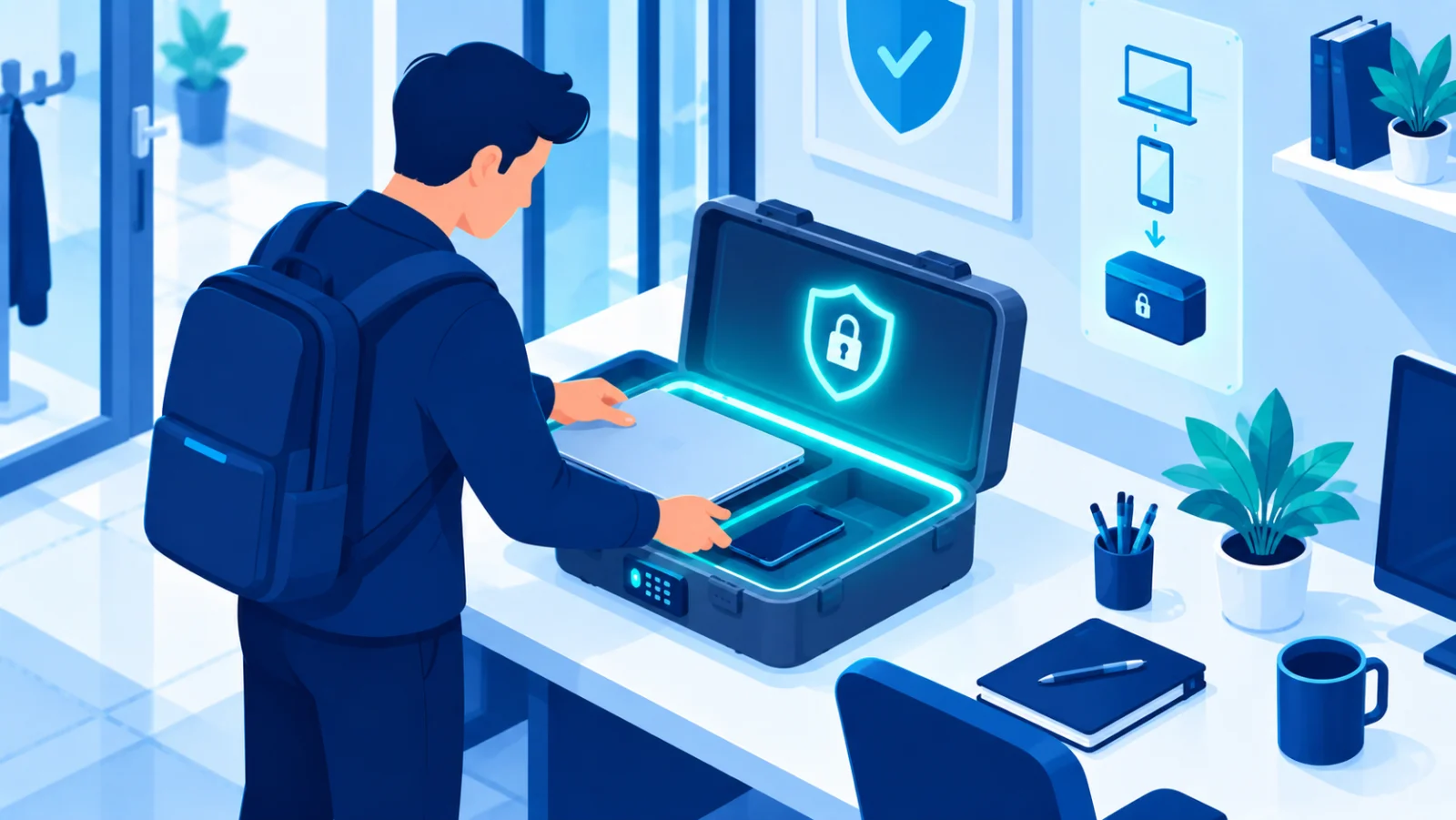
If your team works remotely even part-time, and if you're managing a growing collection of laptops, phones, and IoT devices, both deserve deliberate attention rather than ad-hoc handling. 

Build a culture where security isn't just one person's job
The businesses that hold up best under pressure are the ones where the whole team, not just one designated person, understands why these habits matter. 
The bottom line
Start with a recognized baseline, make sure backups and incident response exist before you need them, patch↗ consistently, and train your team to recognize the scams actually aimed at businesses like yours. None of this requires a security hire, it requires consistency.
Frequently Asked Questions
What's the most important cybersecurity↗ checklist item for a small business?
Working, tested backups and a basic incident response plan, they turn a potential business-ending event (ransomware, hardware failure) into a recoverable one.
Do I need a dedicated security person to protect a small business?
No. Following a recognized baseline like Cyber Essentials, keeping software patched, and training your team on phishing and BEC covers the majority of real-world risk without a dedicated hire.