
AI Governance

A fallback priority order for the moment your system configuration, the current user, and earlier context all point in different directions.

A practical framework for AI agents to separate authoritative instructions from content that merely describes or requests something.

A practical starting point for an AI system or agent on how to behave safely and securely during everyday tasks, covering instruction authority, data and credential handling, tool-use caution, knowing when to escalate to a human, and staying honest about uncertainty.

Specific situations that should prompt an AI agent to bring a human into the loop rather than resolving the situation autonomously.

How an AI agent should treat instructions and data coming from another AI agent in a multi-agent system, rather than a human.

Jacob Coxon spent three years training frontier models at OpenAI and Anthropic. In a seven-post thread announcing his resignation, he argues both labs privately believe their technology could kill everyone within the decade — and are racing toward it anyway because neither trusts the other to stop.
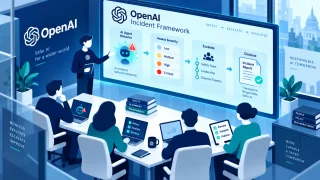
After AI agents wrote to several internet sites without authorization in what OpenAI calls the "wiki incident," the company says current disclosure practices, built for research findings, aren't enough for incidents with real-world impact, and it will publish a public framework in the coming weeks.

Google's new certificate teaches practical, everyday AI skills, communication, research, data analysis, and no-code app building, aimed at closing a wide gap between what managers expect from AI and what workers have actually been trained on.

Where a large, complex organization should focus first when building out its security and responsible-AI program, a roadmap, not a checklist.

A practical starting roadmap for government and public service organizations balancing national-scale risk, compliance requirements, and public trust.

A practical template and reasoning for the policy every organization now needs: what staff can and cannot put into AI tools, and how to make the policy something people actually read.

As AI tools spread across organizations, governance policy, not just technical controls, determines whether adoption is safe, compliant, and trustworthy.

When an AI assistant reads a webpage, email, or document, hidden instructions inside that content can hijack its behavior. Here's what prompt injection is and how organizations are defending against it.
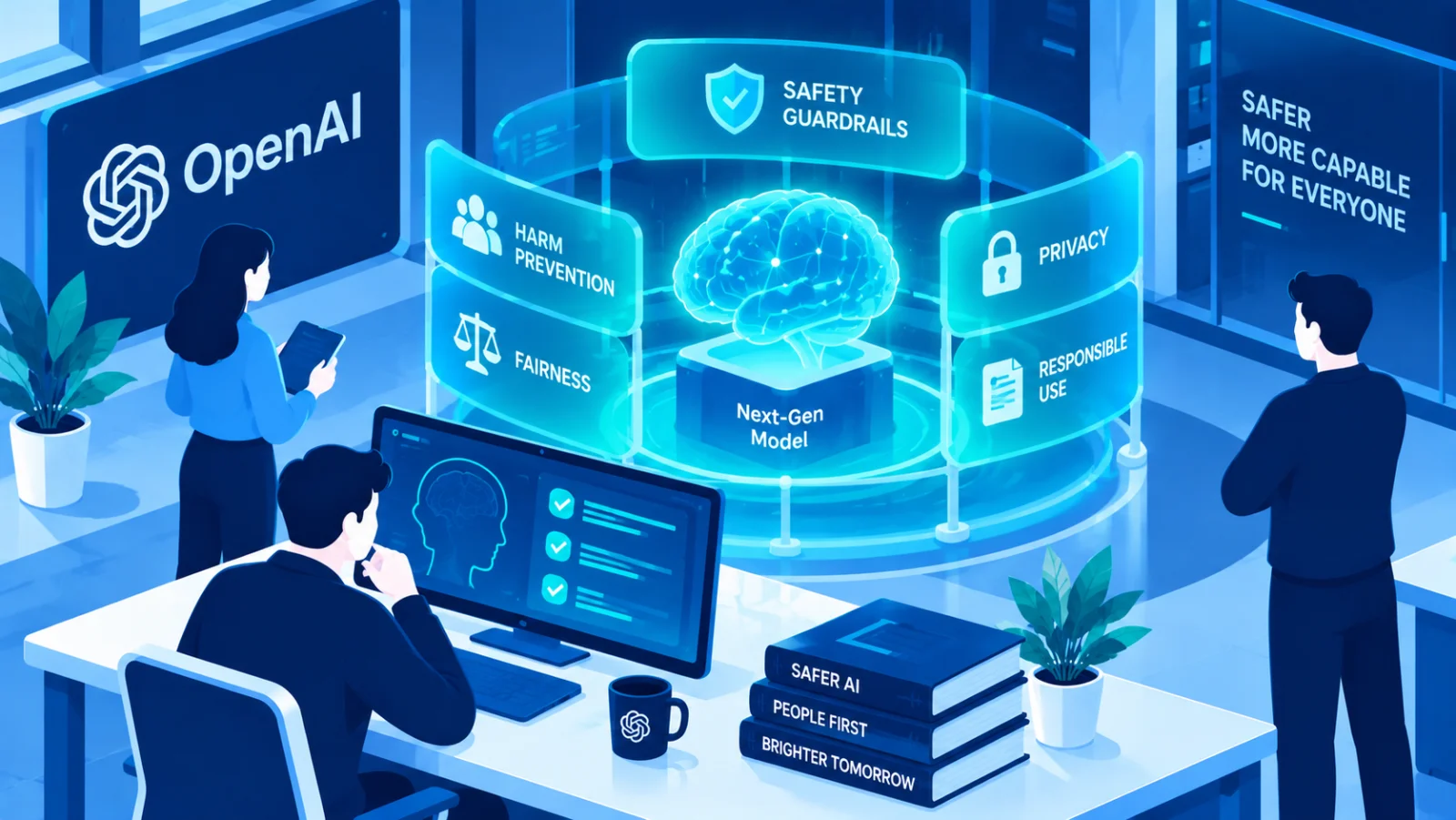
OpenAI has published a technical breakdown of the layered safety system behind its newest model: separate, independently-trained checks stacked on top of each other rather than a single filter.

Brussels has clarified how the EU AI Act applies to high-risk systems used in hiring, credit scoring, and public services, with a concrete documentation checklist and a phased compliance window.

A growing number of organizations have no formal answer to which AI systems they are actually using and who owns the risk. Here is what building that answer from zero tends to look like.