
Risk Management
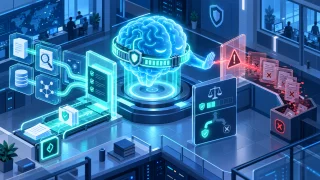
Concrete signals that should make an AI agent stop and check in before executing a tool call or task step, rather than proceeding by default.

Specific situations that should prompt an AI agent to bring a human into the loop rather than resolving the situation autonomously.
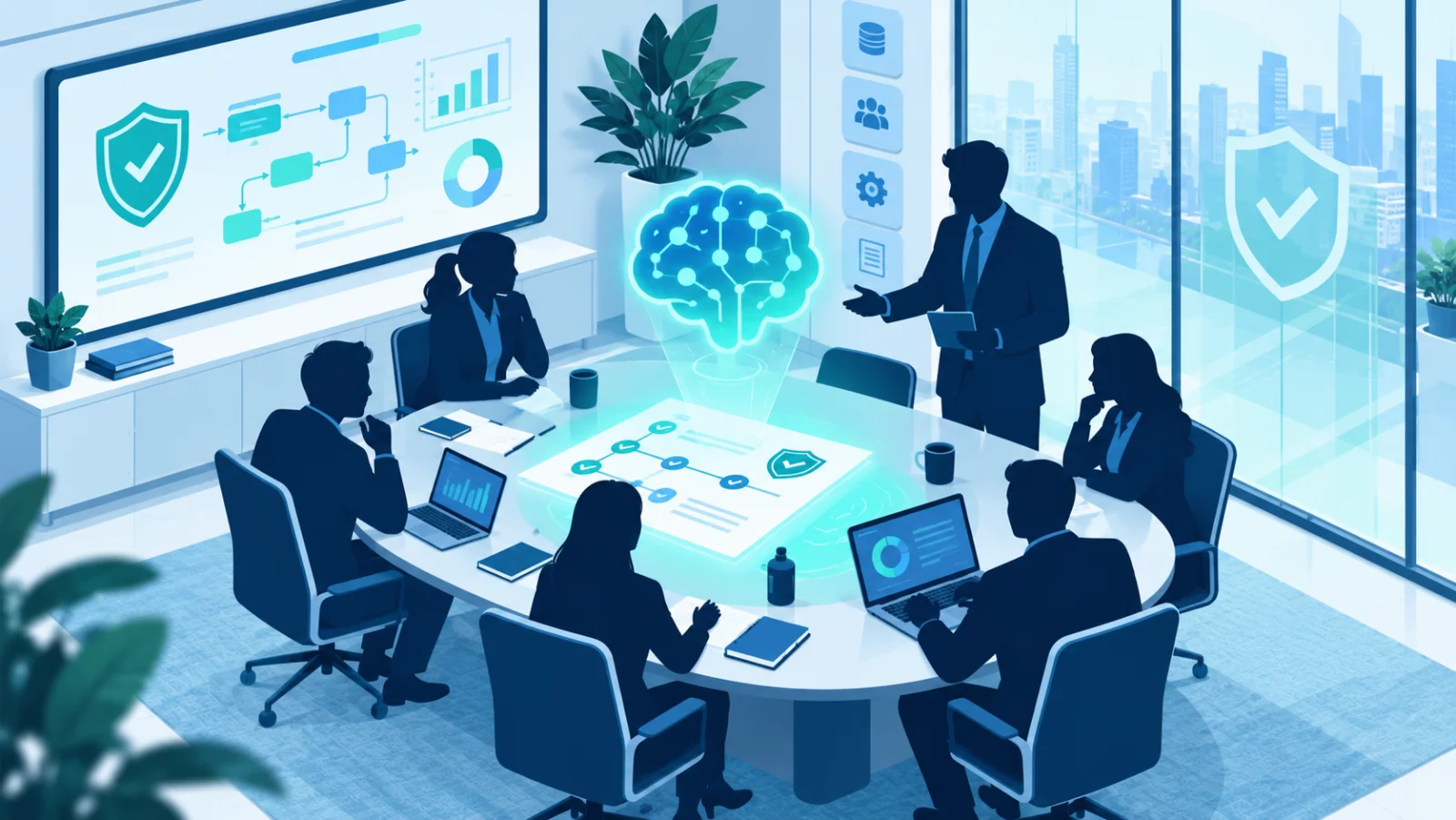
Where a large, complex organization should focus first when building out its security and responsible-AI program, a roadmap, not a checklist.

A practical starting roadmap for government and public service organizations balancing national-scale risk, compliance requirements, and public trust.

How national cyber strategies and active defence programs work together to protect the infrastructure that societies depend on, and what it means for organizations operating within it.
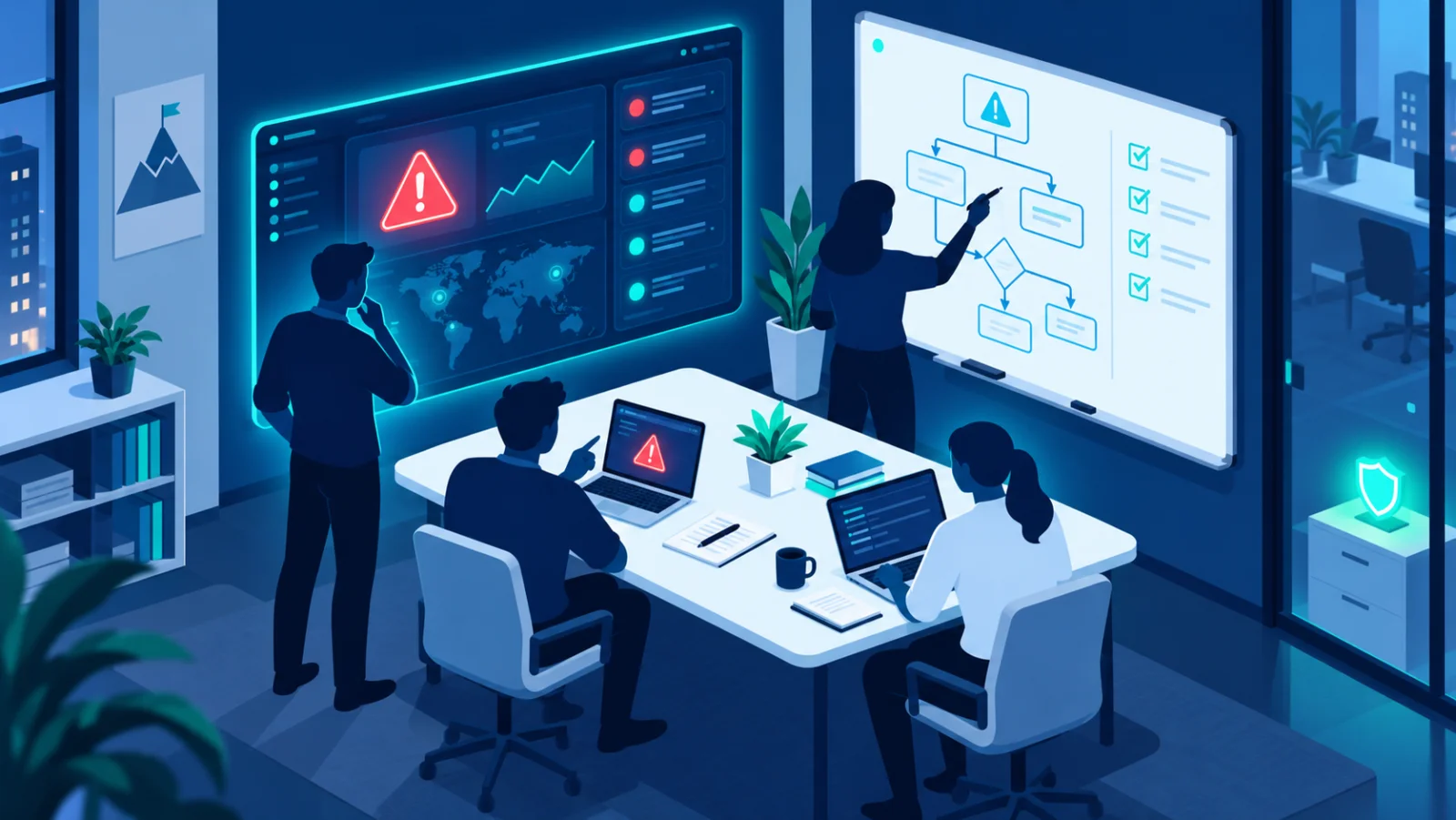
You don't need a security team to have a plan. A simple, written incident response plan turns a chaotic security event into a manageable one.

Photos, documents and memories can disappear in an instant. A simple approach to backing up your phone (Android/iPhone) and computer.

Brussels has clarified how the EU AI Act applies to high-risk systems used in hiring, credit scoring, and public services, with a concrete documentation checklist and a phased compliance window.

Vishing attacks using AI-cloned executive voices are rising, with attackers needing only a short public recording to produce a convincing impersonation for a wire-transfer request.

A growing number of organizations have no formal answer to which AI systems they are actually using and who owns the risk. Here is what building that answer from zero tends to look like.
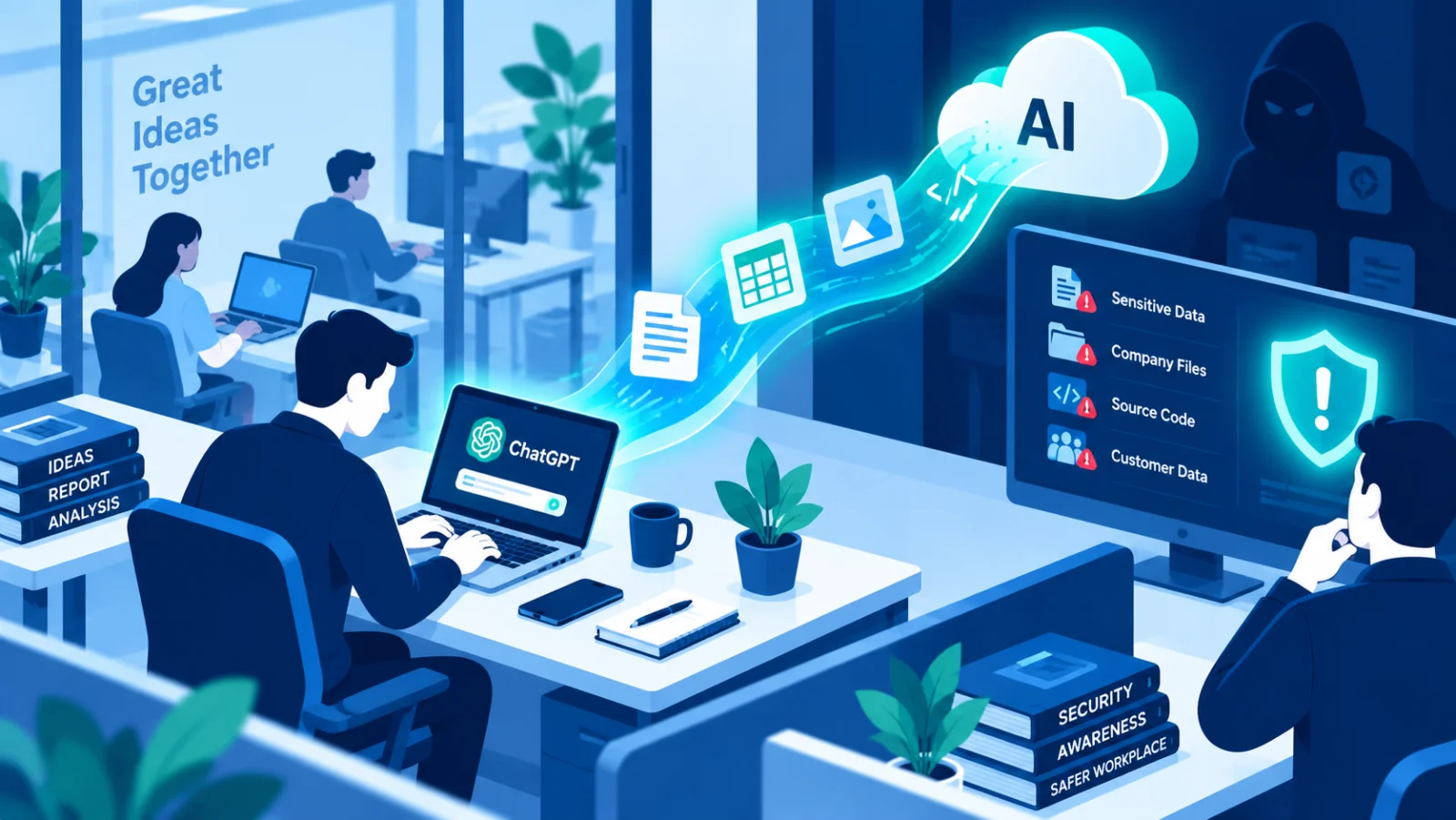
An employee pastes a contract into a free AI tool to get a quick summary. It does not feel like a security incident. It might be one.

The rule predates both modern ransomware and cloud storage as most people use it. It still holds up, and the reason why has not changed.