
IoT and Smart Device Security Basics
Smart cameras, speakers, thermostats and doorbells all connect to your network, and most ship with weak default security. Here's how to lock them down.
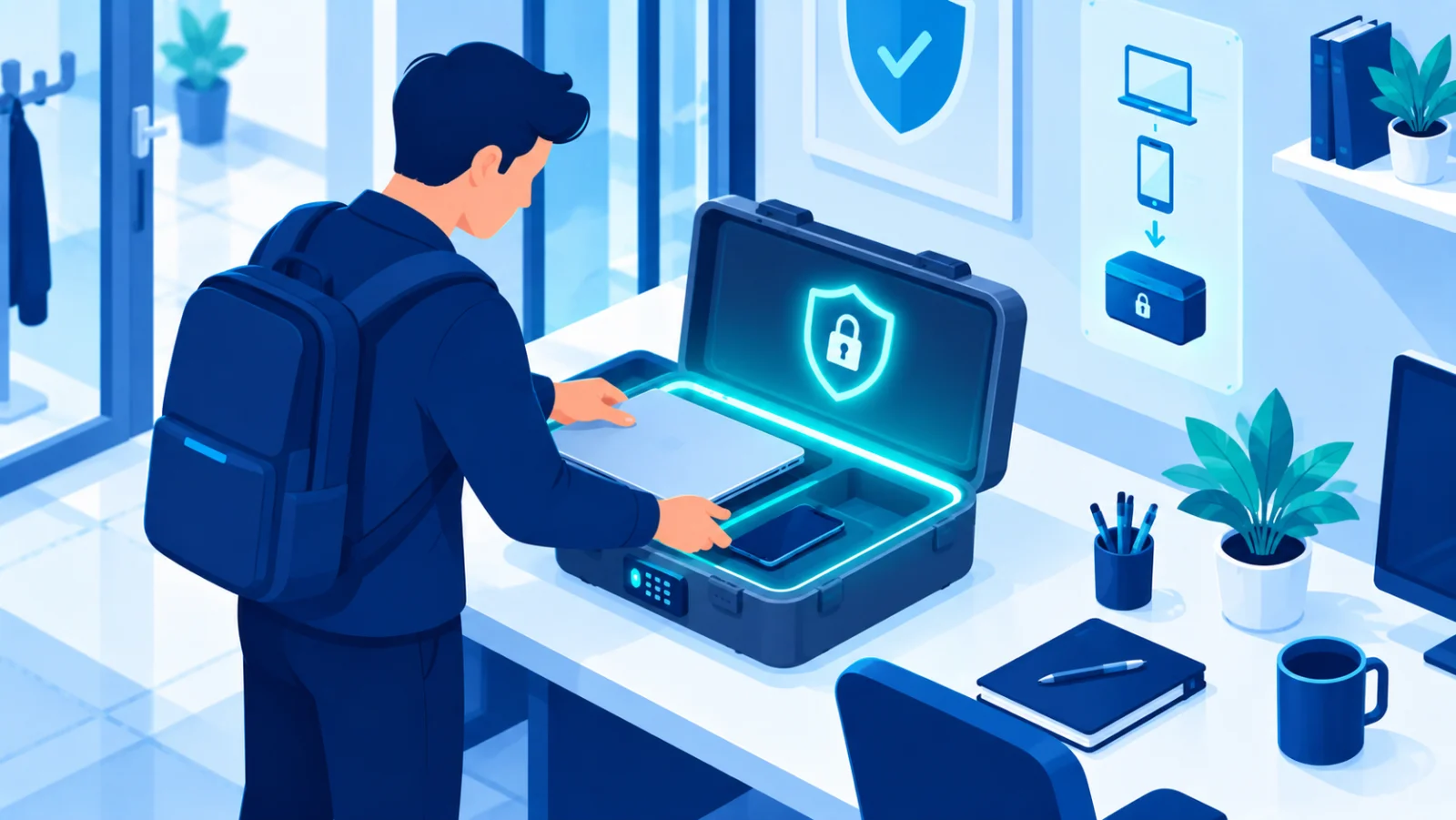
The "Internet of Things" (IoT) covers everyday objects that connect to the internet, smart speakers, doorbell cameras, thermostats, TVs, and even light bulbs. These devices bring real convenience, but many are built with cost and speed to market as the priority, not security. A compromised smart device can be used to spy on your home, join a botnet↗, or serve as a stepping stone into the rest of your network.
Why smart devices are often the weakest link
- Many ship with a default password that's identical across every unit sold, and never gets changed by the owner.
- Manufacturers frequently stop releasing security updates a few years after a product launches.
- Devices often have more network access than they need, a smart light bulb rarely needs to reach the wider internet.
Setting up a new smart device securely
- Change the default password immediately during setup, never leave the factory password in place.
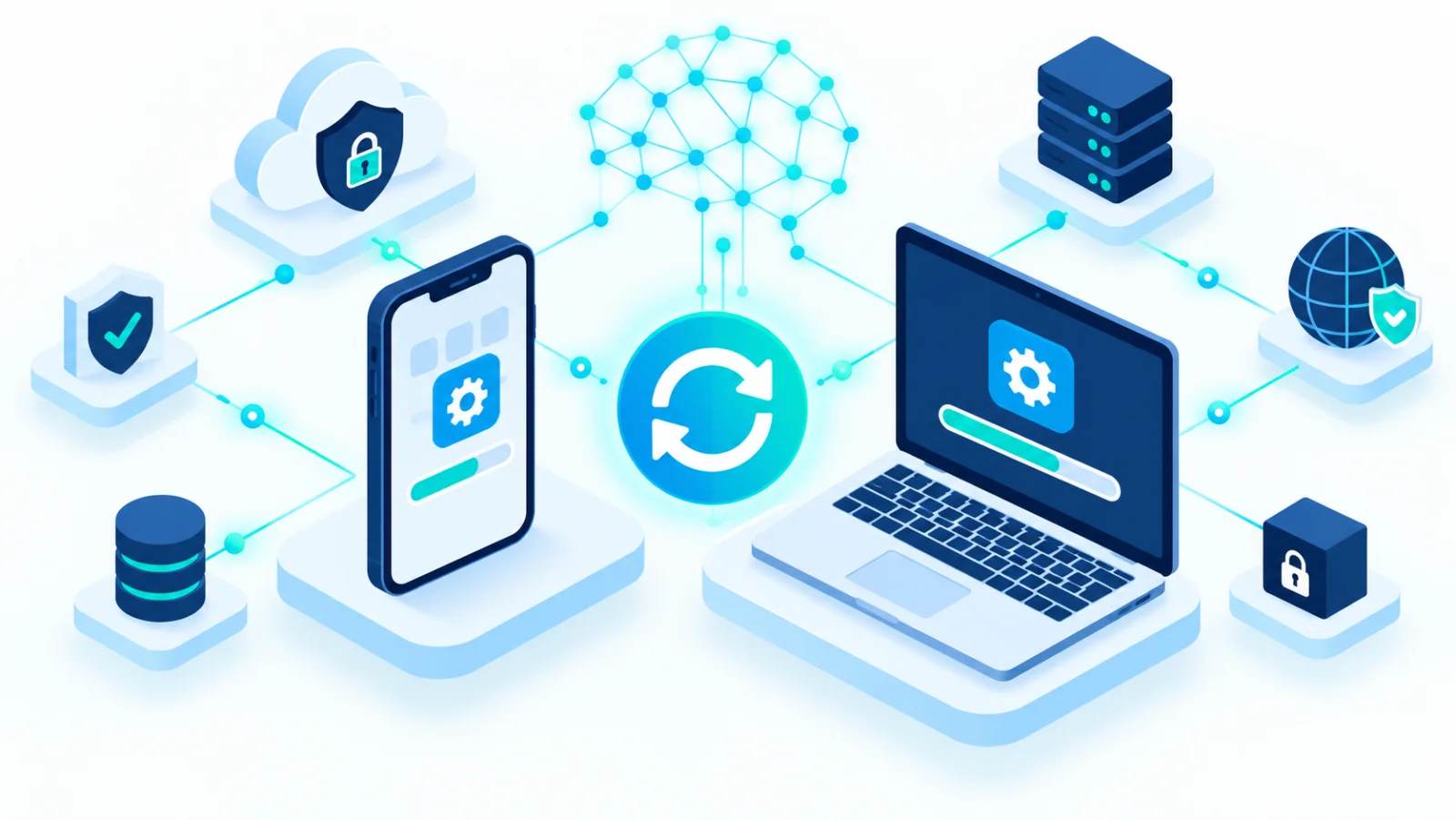
- Register the device and enable automatic updates if the manufacturer offers them.
- Turn off features you don't use, remote access, voice purchasing, or microphones/cameras you don't need active.
- Use a separate Wi-Fi network for IoT devices if your router supports a "guest" or secondary network, this keeps a compromised smart device from being able to reach your computers and phones.
Before you buy
Look for products from manufacturers with a track record of releasing security updates, and check reviews specifically for security issues, not just features. If a smart device is unusually cheap compared to competitors, security is often where the cost was cut.
Retiring old smart devices
Before discarding, selling, or recycling any smart device, reset it to factory settings and remove it from your associated app account, otherwise a previous owner's data or access can remain tied to it.
Every smart device on your network is a small computer with its own security posture, treat it with the same care as your phone or laptop, not as "just a light bulb".