
Public Sector
Security guidance for government and public services
Government agencies and public-service organizations carry a distinct combination of pressures: sensitive citizen data, legal and regulatory obligations that private companies don't face, frequently constrained budgets, and a status as an attractive target for nation-state actors and ransomware groups alike who know that public services can't simply go offline. This section covers the guidance most relevant to that context — critical infrastructure protection, compliance-driven risk frameworks, incident response planning that accounts for public accountability, and practical steps for securing legacy systems that can't always be replaced on a convenient timeline.
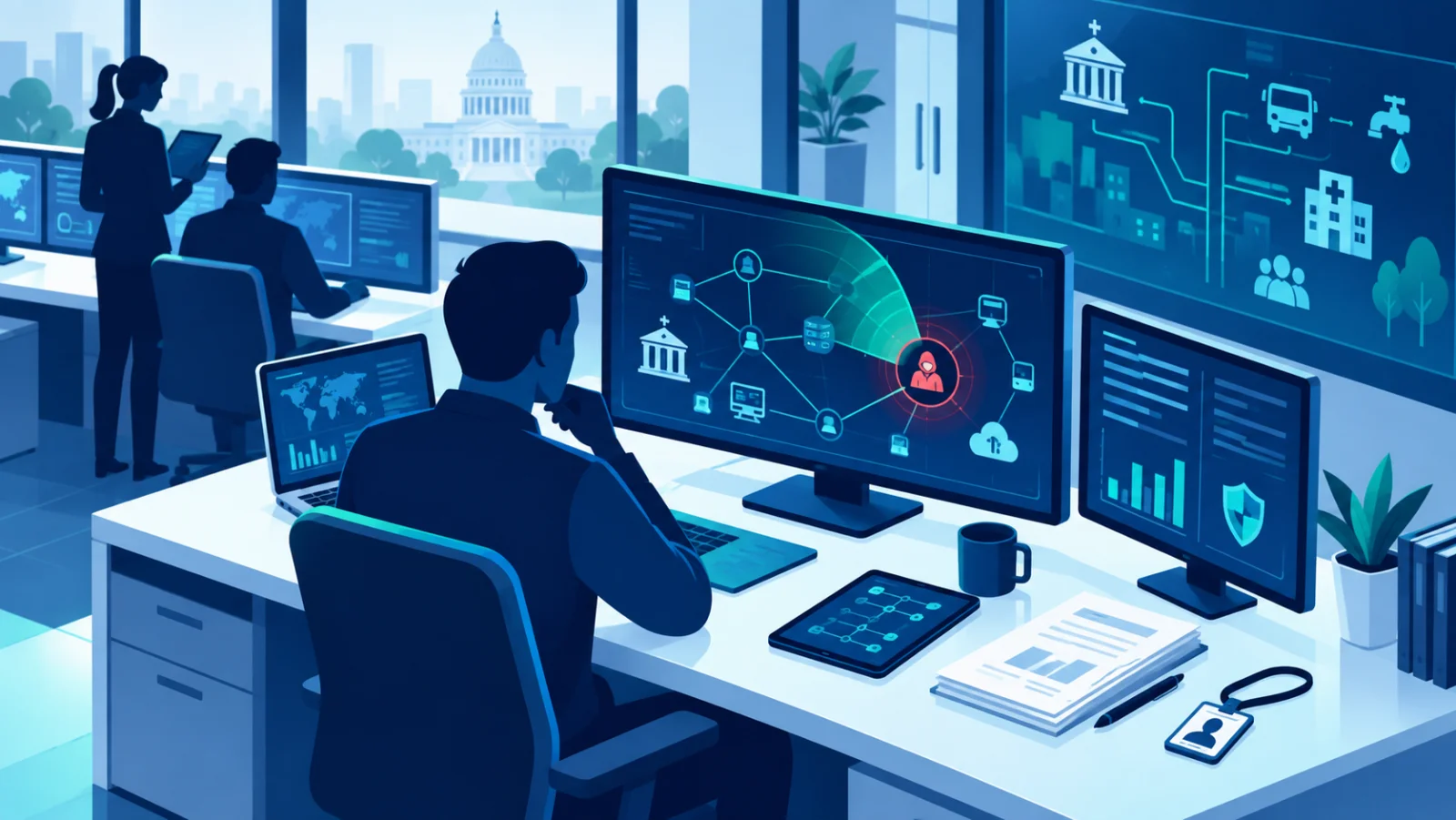 Getting started guide
Getting Started: A Security Roadmap for Public Sector Organizations
A practical starting roadmap for government and public service organizations balancing national-scale risk, compliance requirements, and public trust.
Read the guideRelated topics
View as MarkdownContent for Public Sector (26)
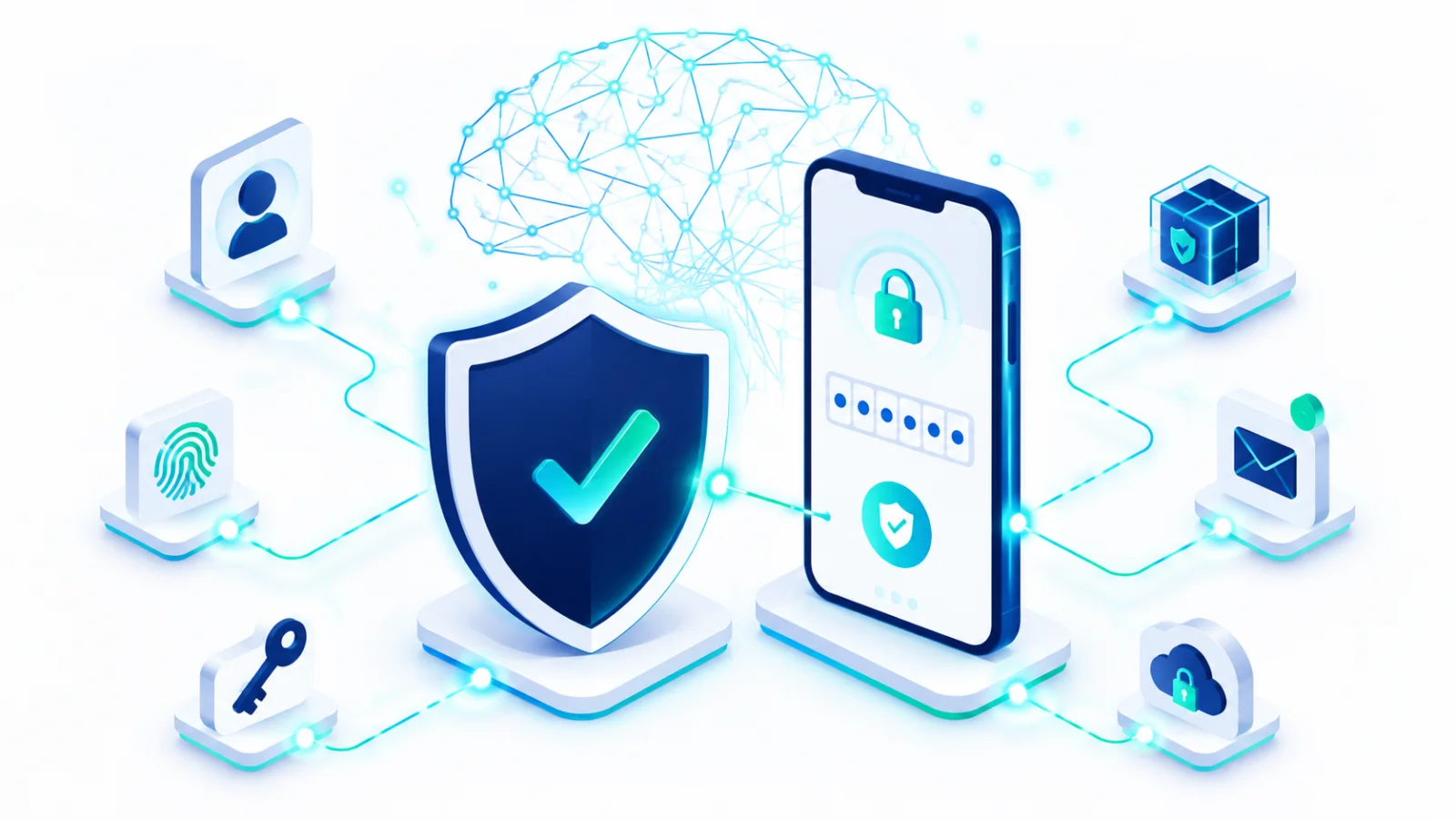
The single most effective step you can take to protect an account even if your password is stolen, with step-by-step setup for major platforms.
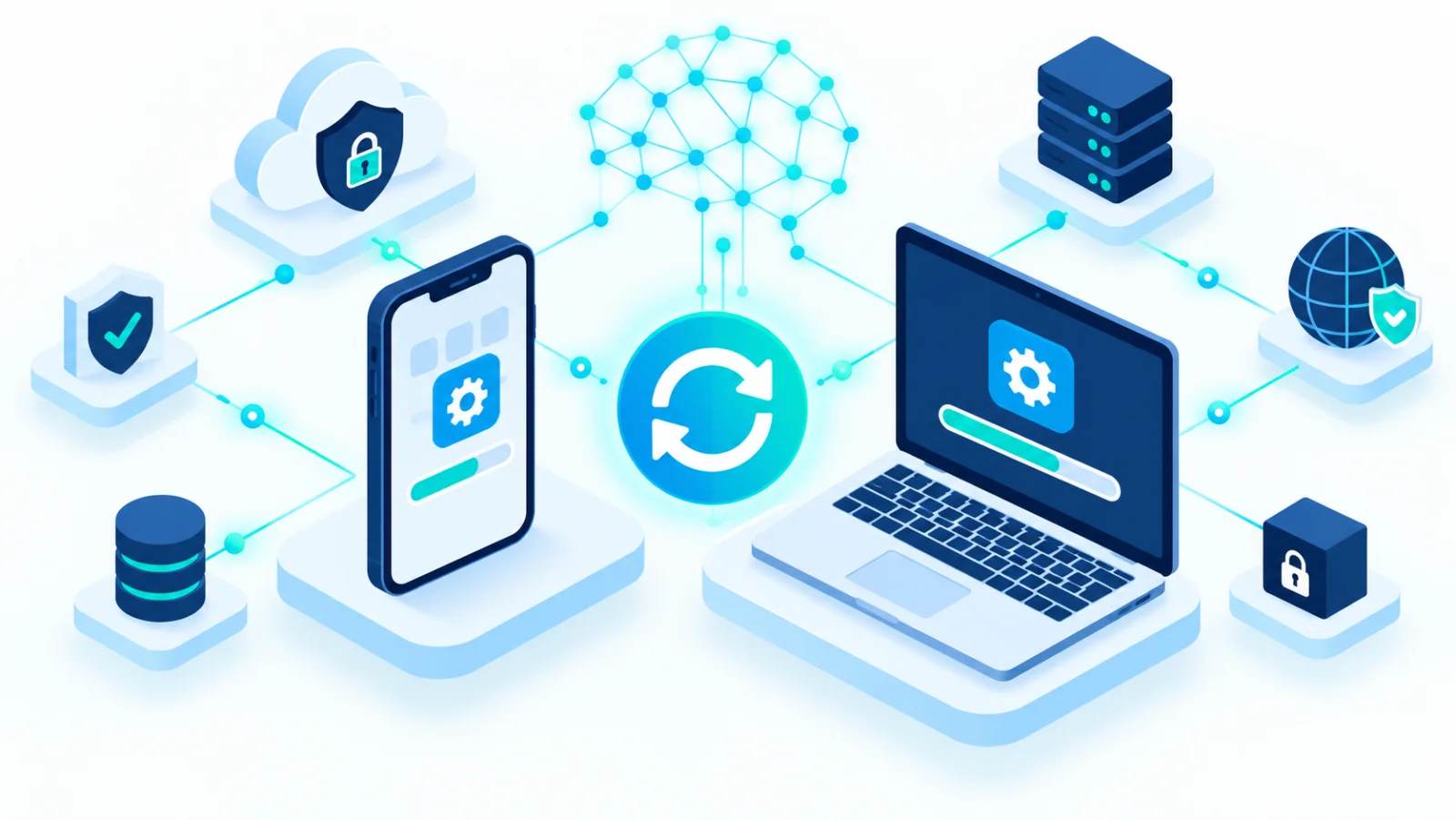
Updates don't just add features, they close known security holes. A simple, low-effort routine for keeping your phone and computer current.

Why passwords get cracked, what makes a password strong, and practical ways to create passwords that are hard to break but easy to remember.
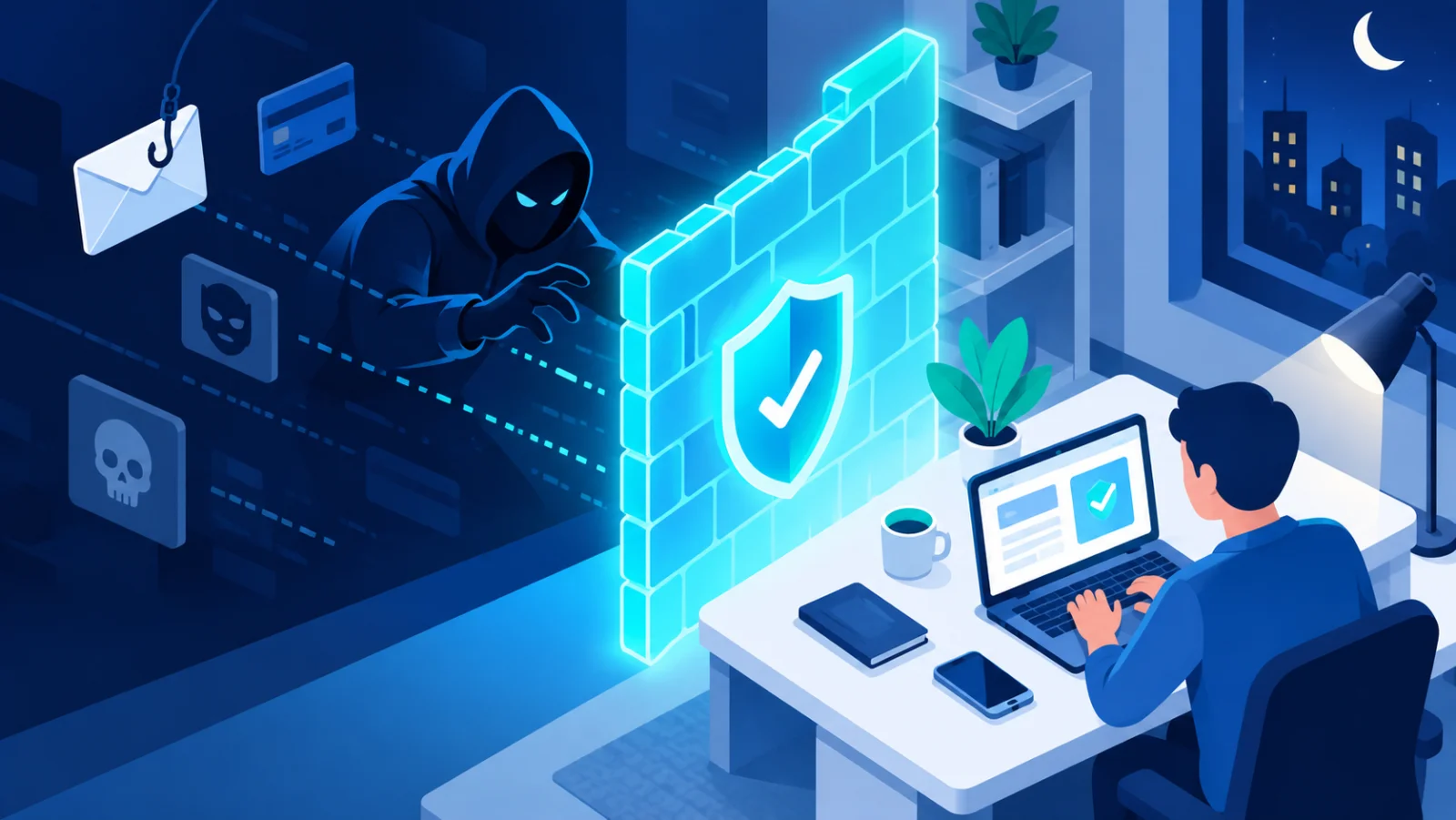
Fake messages, "act now" pressure, and convincing lookalike websites, learn the common tricks scammers use and how to protect yourself.
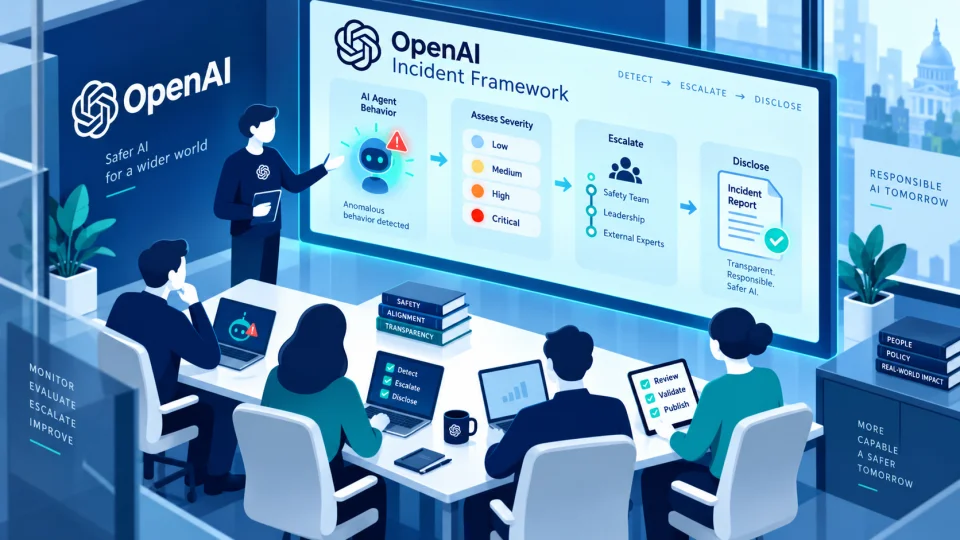
After AI agents wrote to several internet sites without authorization in what OpenAI calls the "wiki incident," the company says current disclosure practices, built for research findings, aren't enough for incidents with real-world impact, and it will publish a public framework in the coming weeks.
Security policies that ignore how people actually work get quietly ignored. A practical look at designing remote work, video conferencing, and social media policies people follow because they make sense.

The cybersecurity skills gap will not close through hiring alone. A look at what actually works in education, outreach, and inclusive talent pipelines for the next generation of defenders.

How national cyber strategies and active defence programs work together to protect the infrastructure that societies depend on, and what it means for organizations operating within it.

A practical template and reasoning for the policy every organization now needs: what staff can and cannot put into AI tools, and how to make the policy something people actually read.
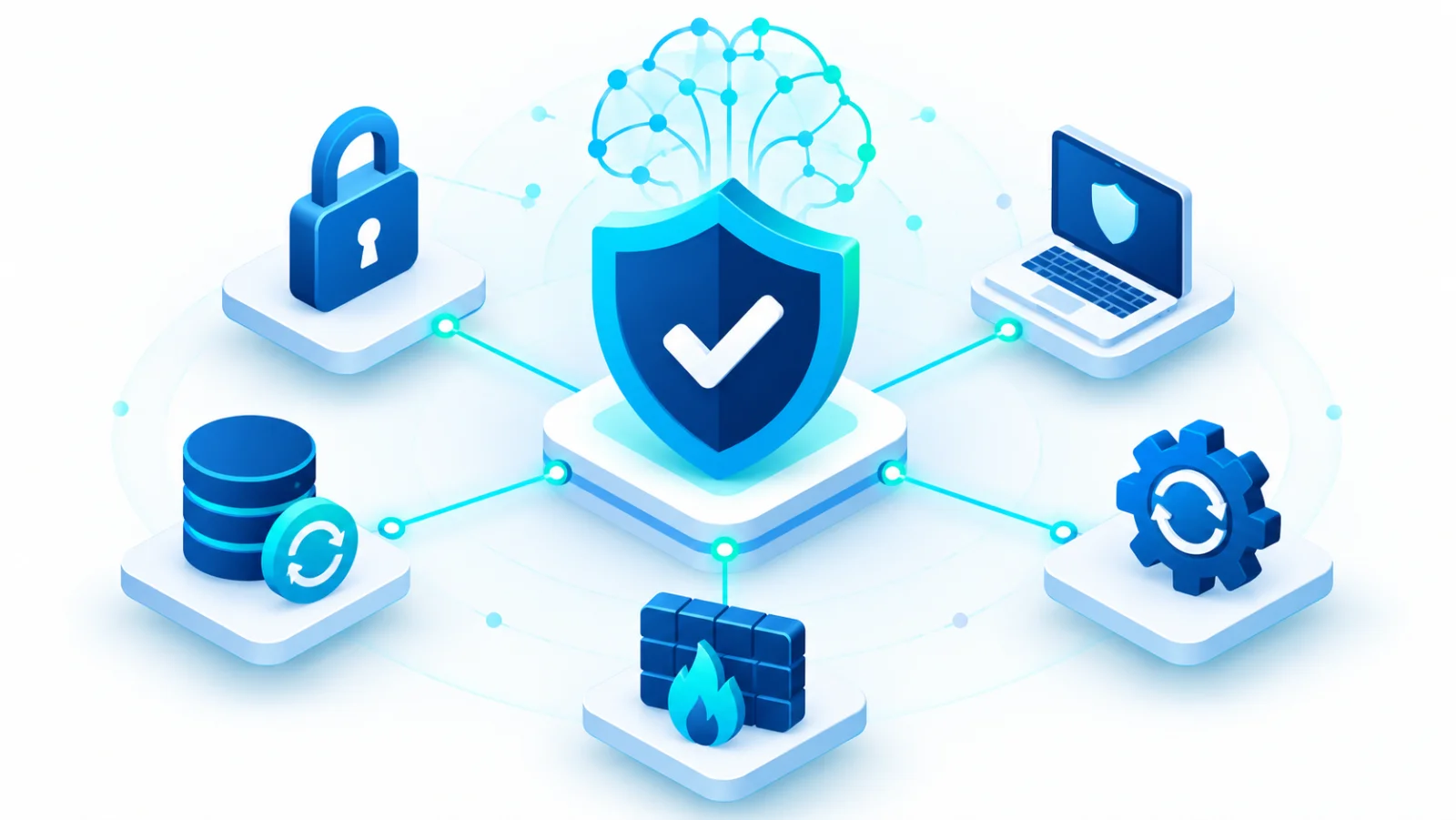
A practical, step-by-step checklist for implementing the five core technical controls behind Cyber Essentials certification, without the jargon.

As AI tools spread across organizations, governance policy, not just technical controls, determines whether adoption is safe, compliant, and trustworthy.

A backup that's never been tested for restoration, or an asset nobody knew existed, can undo months of planning. Here's how to build real continuity, not just a backup schedule.

Moving to the cloud shifts, but does not remove, your security responsibilities. Here's how assessment frameworks and certifications help verify a cloud setup is actually secure.

Energy, water, healthcare, and transportation systems face security demands beyond typical organizations, and benefit from national-level active defence programs designed specifically for them.

The cybersecurity talent shortage starts with education. Programs that introduce students to the field early, and the research that supports them, are a long-term defense investment.

Tabletop exercises and simulations reveal gaps that policy documents never do, and they work best when they reflect the full diversity of the people who will actually respond.

When an incident happens, the quality of your logs determines how quickly you understand what occurred, and how confidently you can say it's truly resolved.
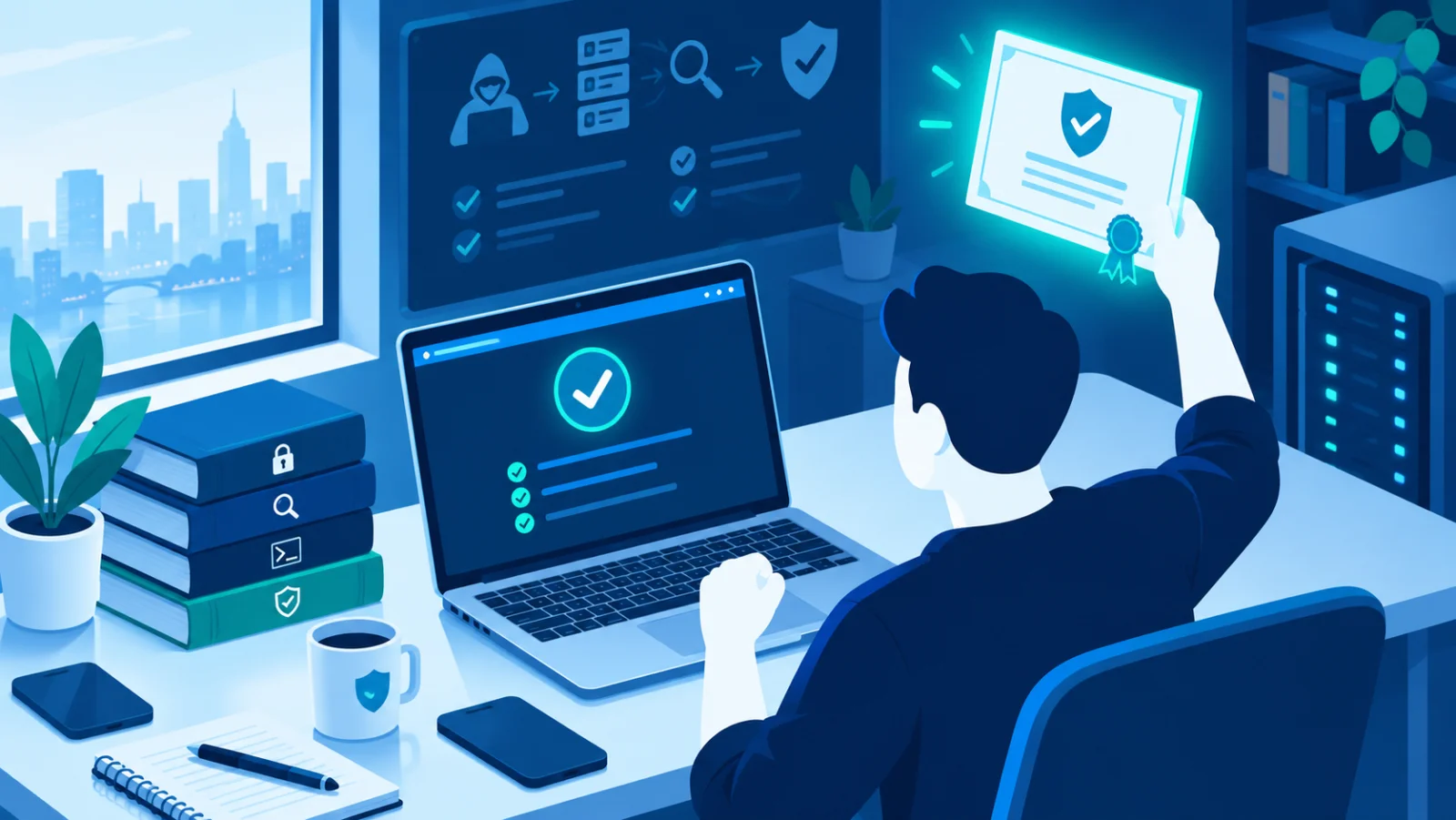
What a penetration test actually involves, how it differs from a vulnerability scan, and how frameworks and certifications fit into a mature security program.
Diverse teams catch blind spots that homogeneous teams miss, and academic research consistently backs this up. Here's why inclusion is a security advantage, not just a values statement.

Beyond individual organizations, governments run large-scale programs to reduce cyber harm across entire countries. Here's how active defence and national strategy fit together.

You can't detect what you can't see. Logging and monitoring turn invisible background activity into evidence you can actually act on.

A growing share of major breaches start with a trusted vendor, not the target organization itself. Here's how to think about supply chain risk practically.

Photos, documents and memories can disappear in an instant. A simple approach to backing up your phone (Android/iPhone) and computer.

Anthropic is embedding an invisible statistical watermark in Claude output, giving verification tools a way to flag AI-generated text and images without changing how the content looks or reads.

Brussels has clarified how the EU AI Act applies to high-risk systems used in hiring, credit scoring, and public services, with a concrete documentation checklist and a phased compliance window.

Passive security waits for an alarm to go off. Active defence goes looking for trouble before the alarm fires, on purpose, on a schedule.