
Recognizing and Preventing Malware Infections
How malware actually gets onto your devices, the warning signs of an infection, and the everyday habits that stop most attacks before they start.
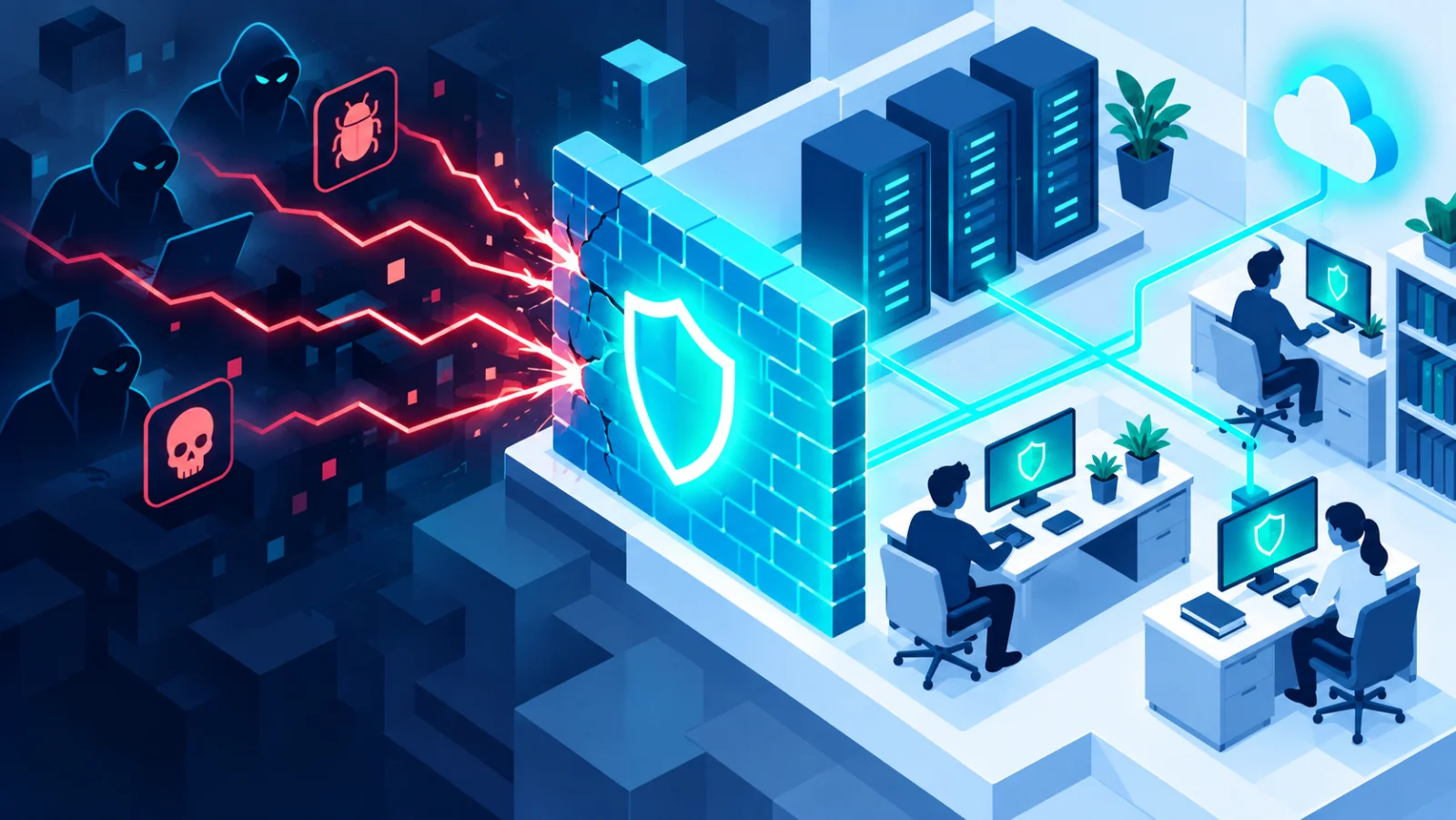
Malware↗ is the umbrella term for any software designed to damage, spy on, or take control of your devices, viruses, spyware↗, trojans, and ransomware↗ are all types of malware. Most infections aren't the work of a genius hacker targeting you personally; they're automated, opportunistic, and rely on a handful of predictable tricks.
How malware actually gets in
- Malicious email attachments disguised as invoices, shipping notices, or documents that ask you to "enable macros" or "enable content".
- Fake or cracked software downloaded from unofficial sites, pirated software is one of the most common malware delivery methods.
- Infected USB drives plugged in without scanning first.
- Drive-by downloads from compromised or malicious websites that exploit↗ an out-of-date browser or plugin.
- Malicious ads or pop-ups that trick you into clicking "Your device is infected, click to clean" style messages (these are almost always fake).
Warning signs of an infection
Not all malware announces itself, but common symptoms include: your device suddenly running much slower, unfamiliar programs or browser toolbars appearing, your antivirus↗ getting silently disabled, pop-ups appearing even when your browser is closed, or friends receiving strange messages "from you" that you never sent.
Ransomware: the most costly form of malware
Ransomware encrypts your files and demands payment for the key to unlock them. It spreads the same way as other malware, but the impact is far more severe, for a business, a ransomware attack can mean days of downtime and permanent data loss.
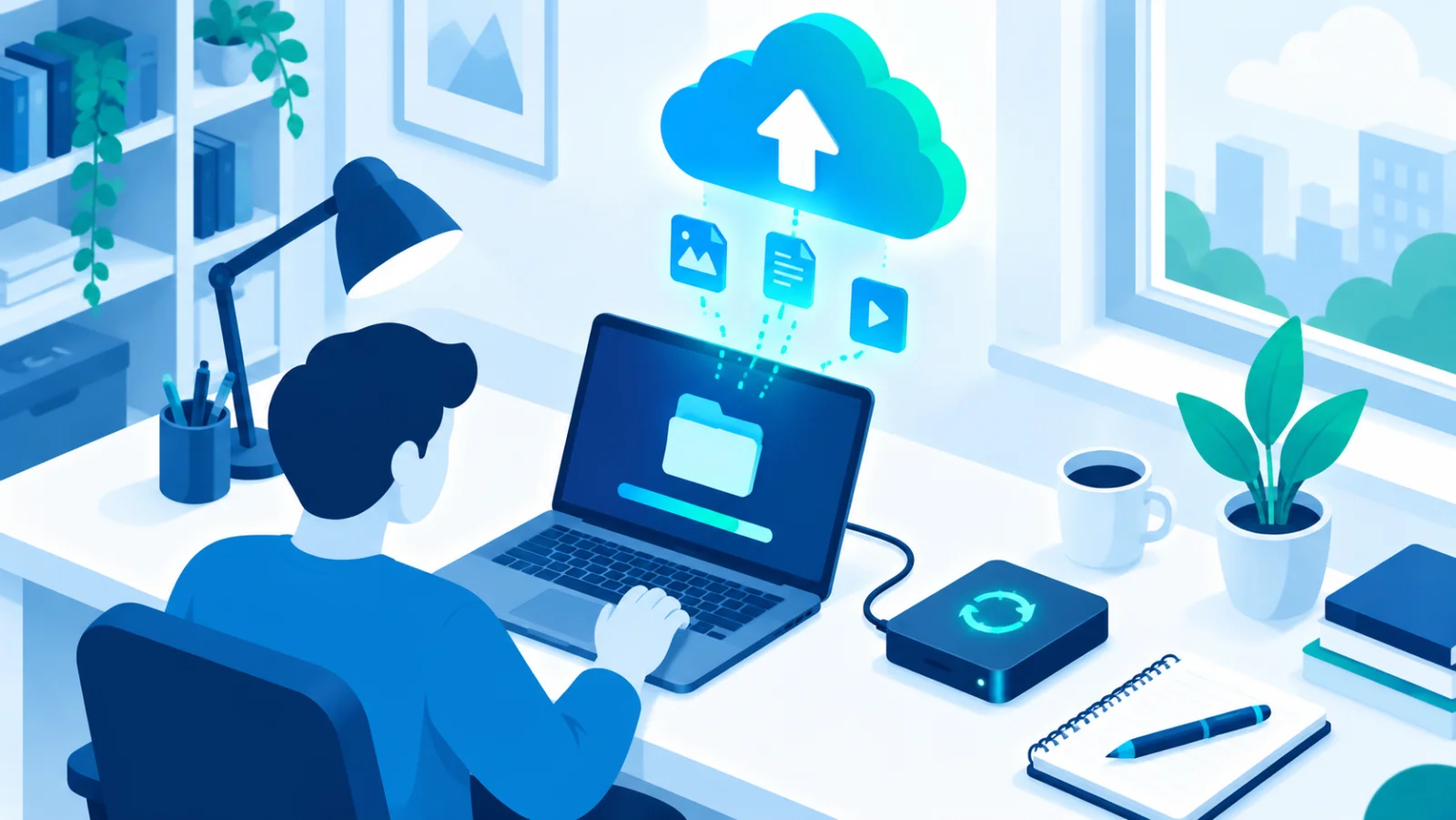
The single most effective defense against ransomware isn't antivirus software, it's a backup↗ that ransomware can't reach.
Practical habits that stop most malware
- Keep everything updated. Most malware exploits vulnerabilities that were already patched months or years earlier.
- Only install software from official sources, your device's app store, or the vendor's own website.
- Don't enable macros or "editing mode" in documents you weren't expecting, even from people you know (their account may be compromised).
- Use built-in security software. Windows Defender and macOS's built-in protections are genuinely effective when kept up to date, you rarely need to pay for extra antivirus.
- Think before you click, urgency and unexpected attachments are the two biggest red flags.
If you think you're infected
- Disconnect the device from the internet and any shared drives immediately, this limits ransomware's ability to spread or malware's ability to phone home.
- Do not pay a ransomware demand; there's no guarantee you'll get your files back, and it funds further attacks.
- Run a full scan with your built-in security software, or get help from a professional if you're unsure.
- Restore from a clean backup taken before the infection.
- Change passwords for important accounts from a different, clean device.
Most malware isn't sophisticated, it's opportunistic. Keeping software updated and being cautious with unexpected files closes the door on the majority of attacks.