
Artificial Intelligence
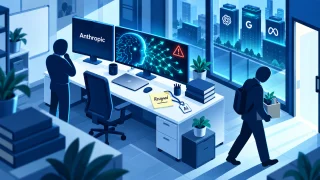
Jacob Coxon spent three years training frontier models at OpenAI and Anthropic. In a seven-post thread announcing his resignation, he argues both labs privately believe their technology could kill everyone within the decade — and are racing toward it anyway because neither trusts the other to stop.

Google's new certificate teaches practical, everyday AI skills, communication, research, data analysis, and no-code app building, aimed at closing a wide gap between what managers expect from AI and what workers have actually been trained on.

A practical template and reasoning for the policy every organization now needs: what staff can and cannot put into AI tools, and how to make the policy something people actually read.

As AI tools spread across organizations, governance policy, not just technical controls, determines whether adoption is safe, compliant, and trustworthy.
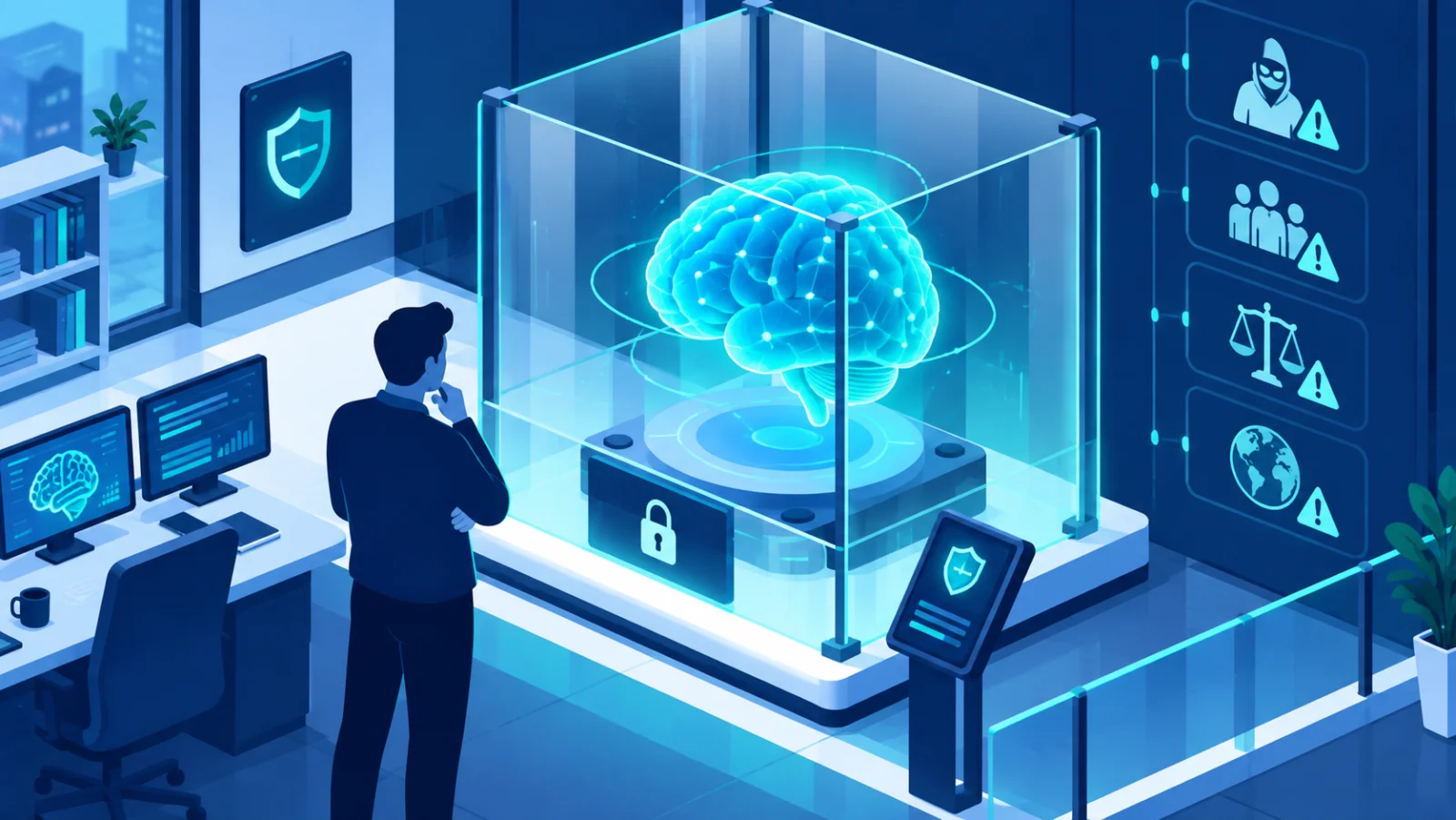
AI safety for employees means knowing what can go wrong when you use AI tools at work, misplaced trust in outputs, manipulation of the AI itself, and data exposure, and how to use them without creating risk for yourself or your employer.

Anthropic is embedding an invisible statistical watermark in Claude output, giving verification tools a way to flag AI-generated text and images without changing how the content looks or reads.

A mainstream browser now automatically flags images carrying C2PA provenance data, surfacing an AI-generated badge without requiring an extension or any technical know-how from the user.
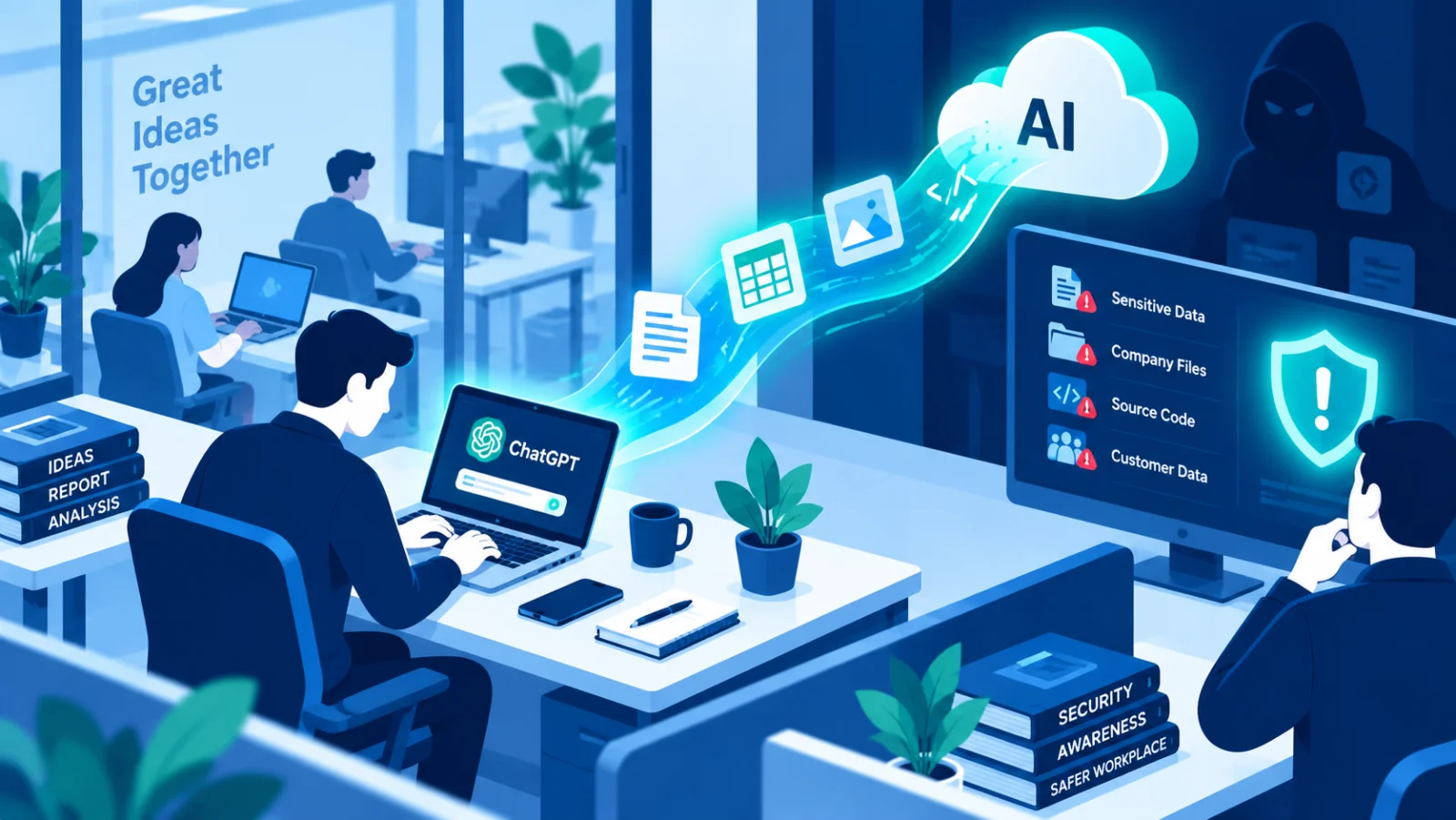
An employee pastes a contract into a free AI tool to get a quick summary. It does not feel like a security incident. It might be one.