
Getting Started: Security Essentials for Individuals and Families
A calm, practical starting point for protecting your family's accounts, devices, and data, without needing to become a security expert first.

Most online safety advice is written for IT professionals, then handed to everyone else. This guide is different: it's the short list of things that actually protect a household's accounts, photos, and money, written in the order that matters most, and none of it requires technical expertise, just about an hour to set up once.
Why this matters for a family, specifically
A household isn't one target, it's several, parents' work accounts, kids' school and gaming logins, shared streaming and banking, family photos spanning years. A single weak password reused across accounts, or one household member clicking one bad link, can expose everyone sharing that Wi-Fi network or that family photo library. The good news: a handful of habits, applied consistently, protect the whole household at once.
Step 1: Fix your passwords, once, properly
If you remember only one thing from this guide, make it this: stop reusing passwords, and use a password manager↗ so you don't have to remember dozens of unique ones. 
Step 2: Turn on two-factor authentication↗ everywhere it's offered
This one change blocks the overwhelming majority of account takeover↗ attempts, even if a password does eventually leak. Start with email, banking, and social media, those unlock everything else. 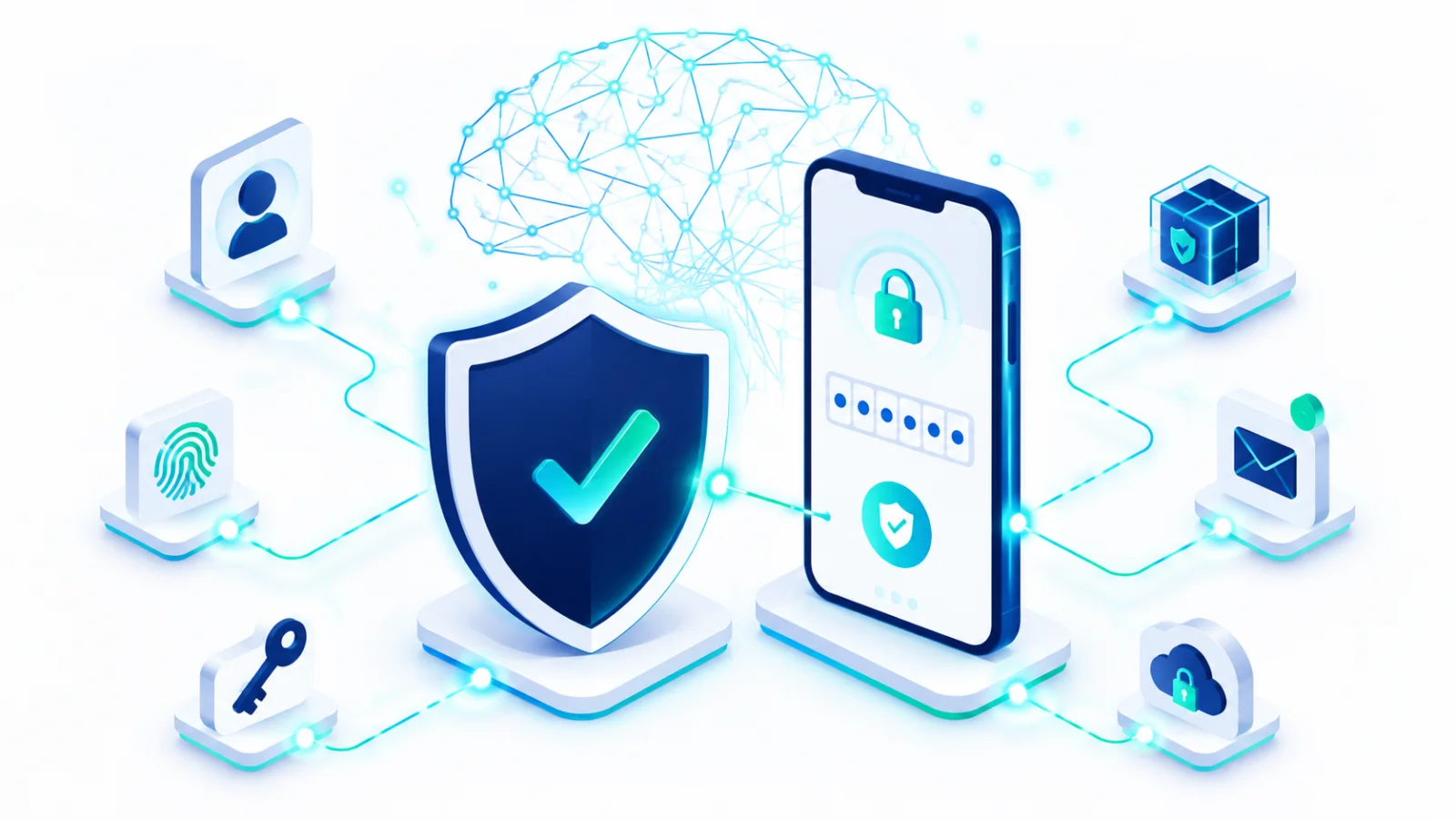
Step 3: Where possible, skip passwords entirely
Many services now support passkeys, a newer, phishing↗-resistant way to sign in using your fingerprint or face instead of typing anything. Where it's offered, it's both easier and safer than a password. 
Step 4: Back up what you can't afford to lose
Family photos and important documents are often the most irreplaceable things on any device, and the easiest to lose to a broken phone, a lost laptop, or ransomware↗. A simple, automatic backup↗ means one bad day never means losing years of memories. 
Step 5: Learn to spot what's trying to trick you
Scams increasingly use AI to sound more convincing, fake "your package couldn't be delivered" texts, urgent messages that appear to be from a family member, too-good deals. Recognizing the pattern matters more than recognizing any specific scam. 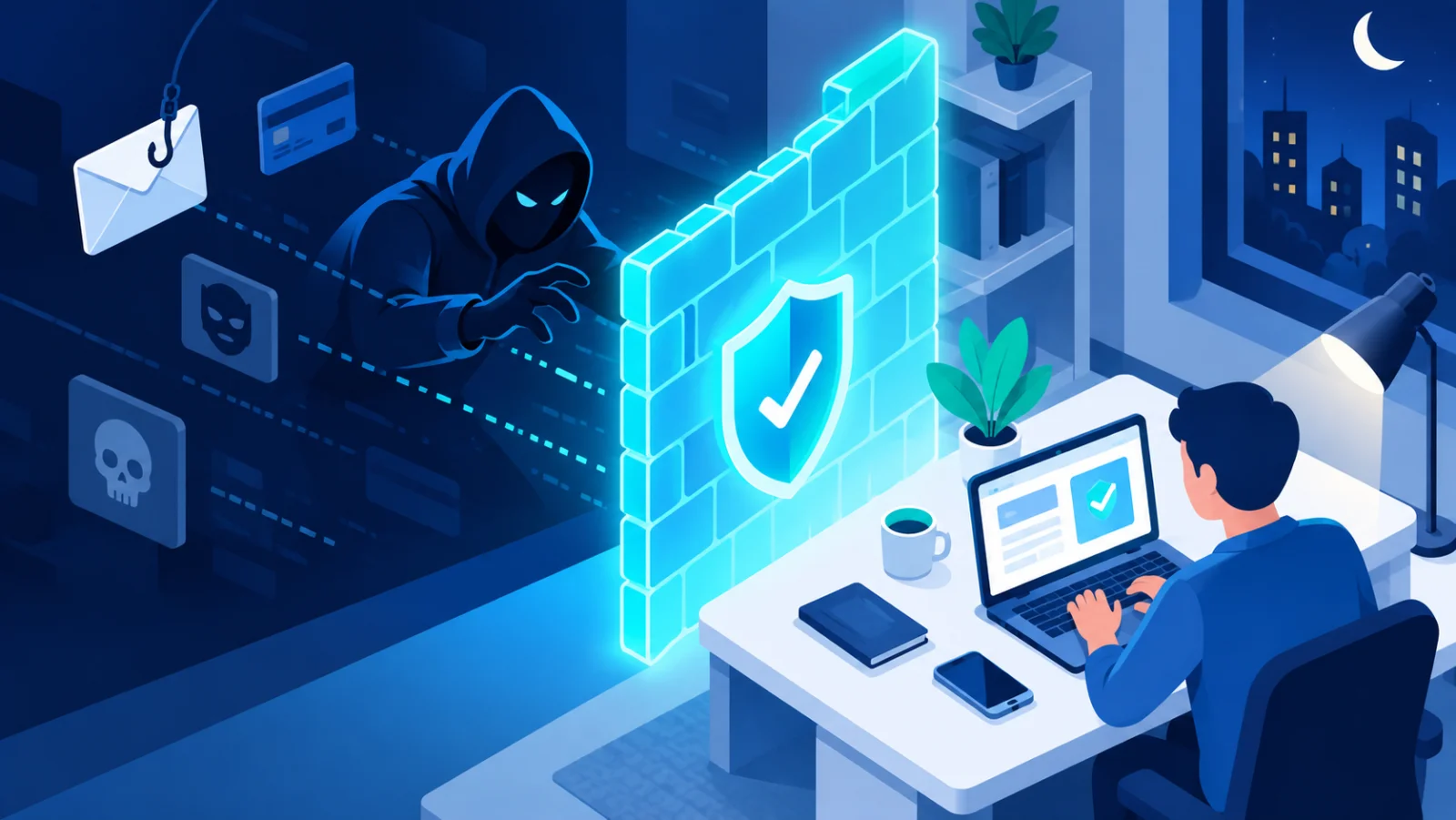

Step 6: Keep devices updated automatically
Software updates usually exist specifically to close security holes. Turning on automatic updates for phones, computers, and apps is one of the lowest-effort, highest-impact habits available. 
Don't forget the smart devices around the house
Smart speakers, cameras, and other connected gadgets are increasingly common in family homes, and they need attention too, most ship with weak defaults that are worth changing. 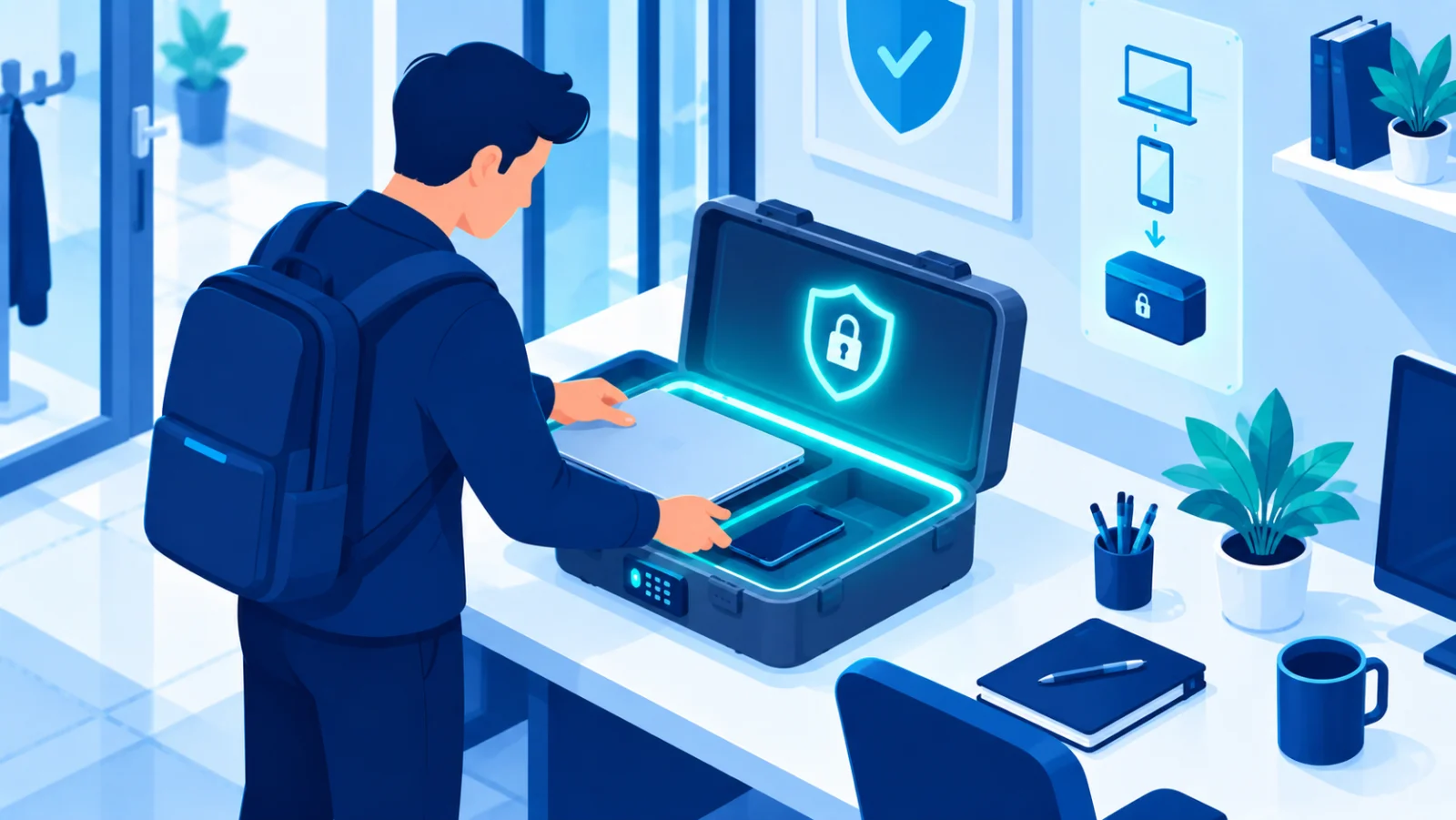
A note on privacy, not just security
Beyond stopping attackers, it's worth understanding what your everyday apps and services actually do with your family's personal data. 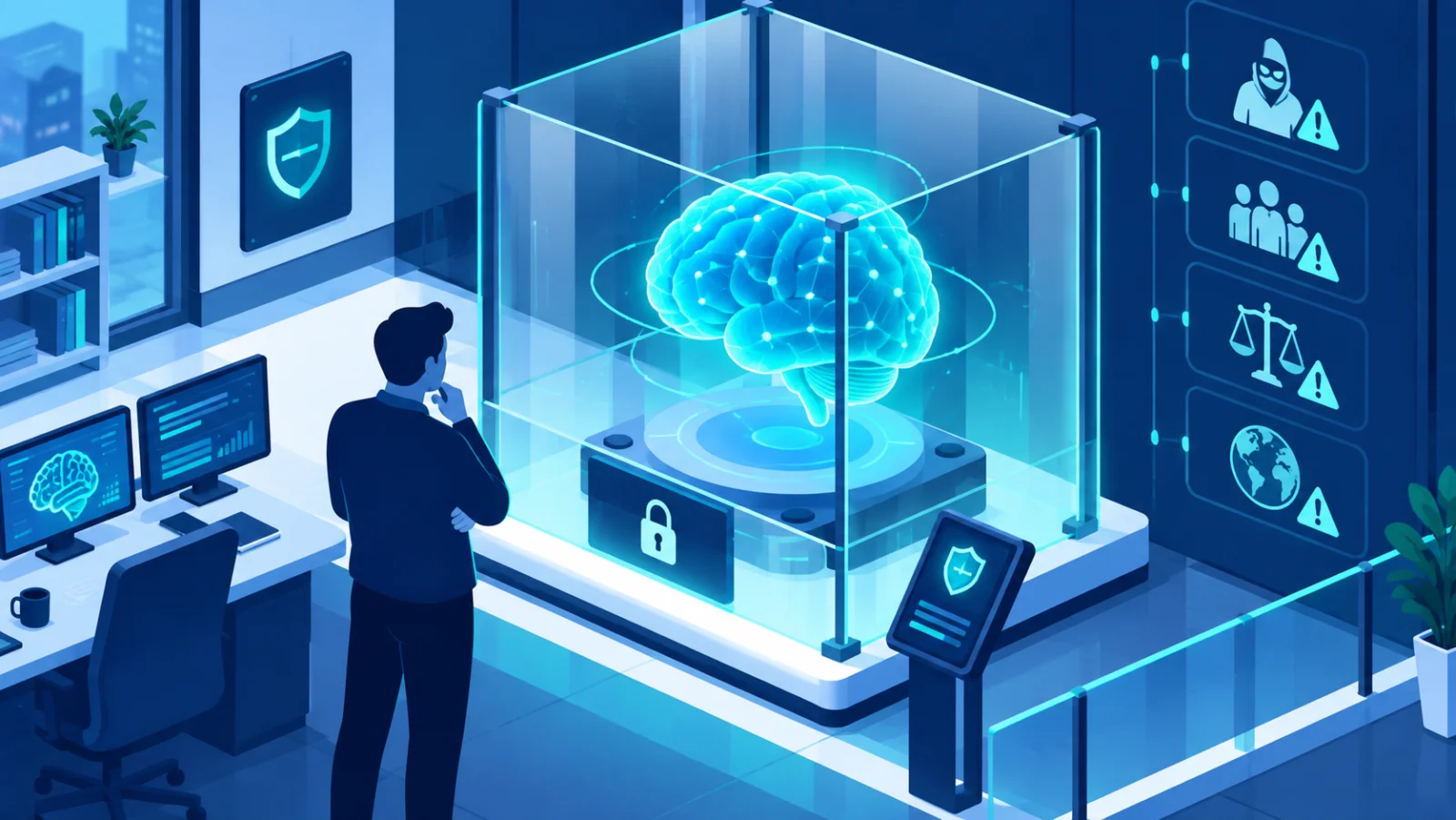
The bottom line
You don't need to become a security expert. Unique passwords with a manager, two-factor authentication on your important accounts, automatic backups for photos and documents, automatic software updates, and a healthy skepticism toward urgent messages, that combination protects a household far better than any single expensive tool.