
Getting Started: Security Essentials for Freelancers
You are your own IT department. Here is the short, practical list of what actually matters for a one-person business, in the order it matters.

As a freelancer, you don't have an IT department, a security team, or a colleague to double-check a suspicious email with, you are the whole operation. That sounds like a disadvantage, but it also means you can fix your biggest risks in an afternoon rather than navigating months of committee approvals. The goal of this guide isn't to make you paranoid; it's to point you at the handful of things that actually move the needle, in priority order.
Why your risk profile is different
You likely hold two things attackers want: access to client data (contracts, financial details, sometimes their own credentials), and a direct line to get paid. A compromised freelancer account is a lightweight way for an attacker to either steal money directly (fake invoices, redirected payments) or pivot into a client's systems by impersonating someone the client already trusts. That combination, valuable access, minimal defenses, is exactly why freelancers are a popular target, not despite being small, but because of it.
Start here: lock down how you sign in
Every account tied to your business, email, invoicing, cloud storage, client portals, should have a long, unique password and two-factor authentication↗ turned on. This is the single highest-leverage thing you can do, because most account takeovers rely on a reused or guessed password being the only barrier. 
Once passwords are handled, add the second layer: 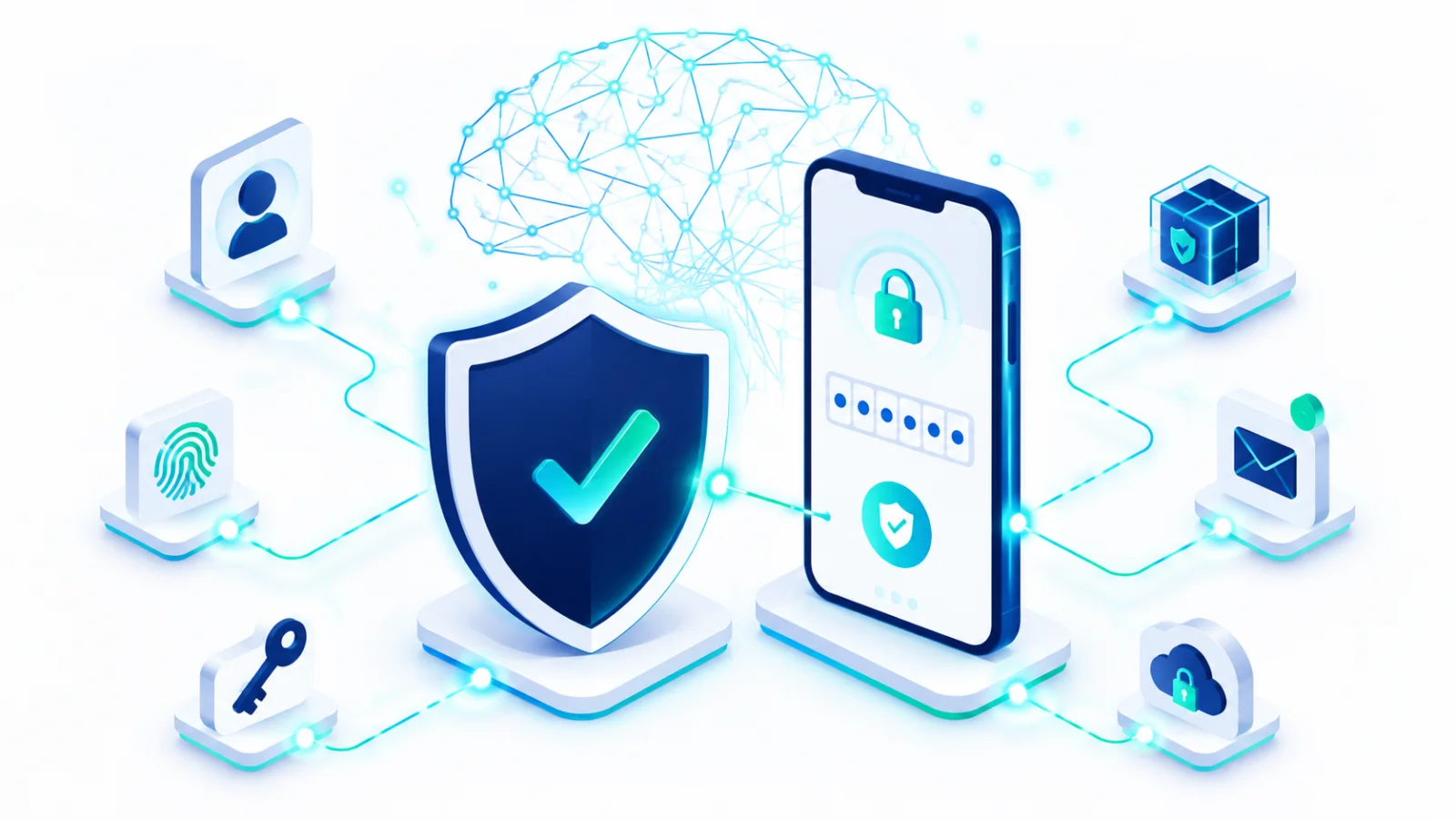
Protect the files clients are trusting you with
Contracts, financial records, and client deliverables are exactly the kind of data a ransomware↗ infection or a lost laptop can wipe out in seconds. A simple, automatic backup↗ routine means a single bad afternoon never becomes a business-ending one. 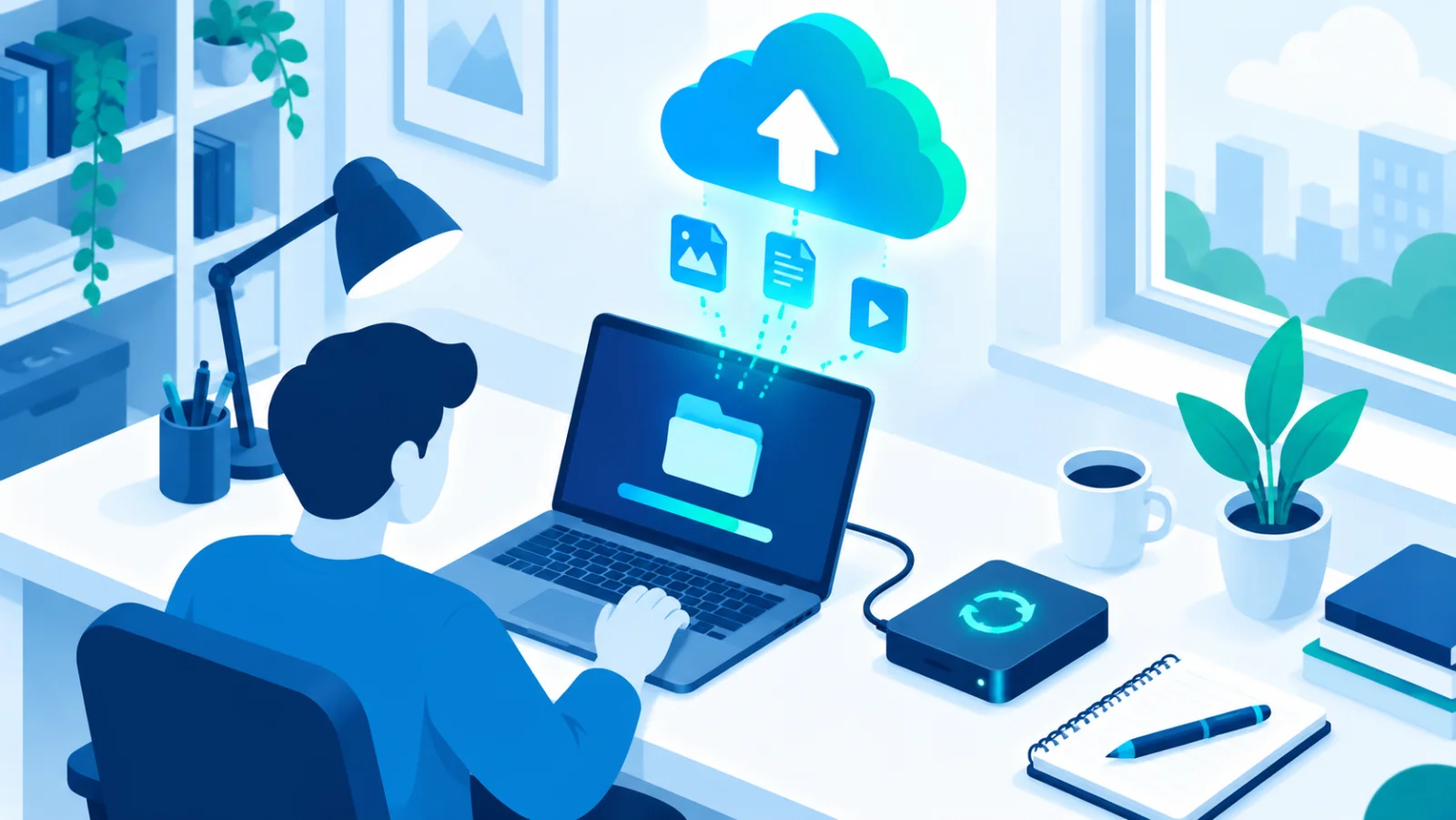
Keep your devices boring and current
Most real-world compromises exploit↗ a vulnerability↗ that already had a fix available, the update just hadn't been installed yet. Turning on automatic updates across your laptop, phone, and the apps you invoice through closes that gap with almost no ongoing effort. 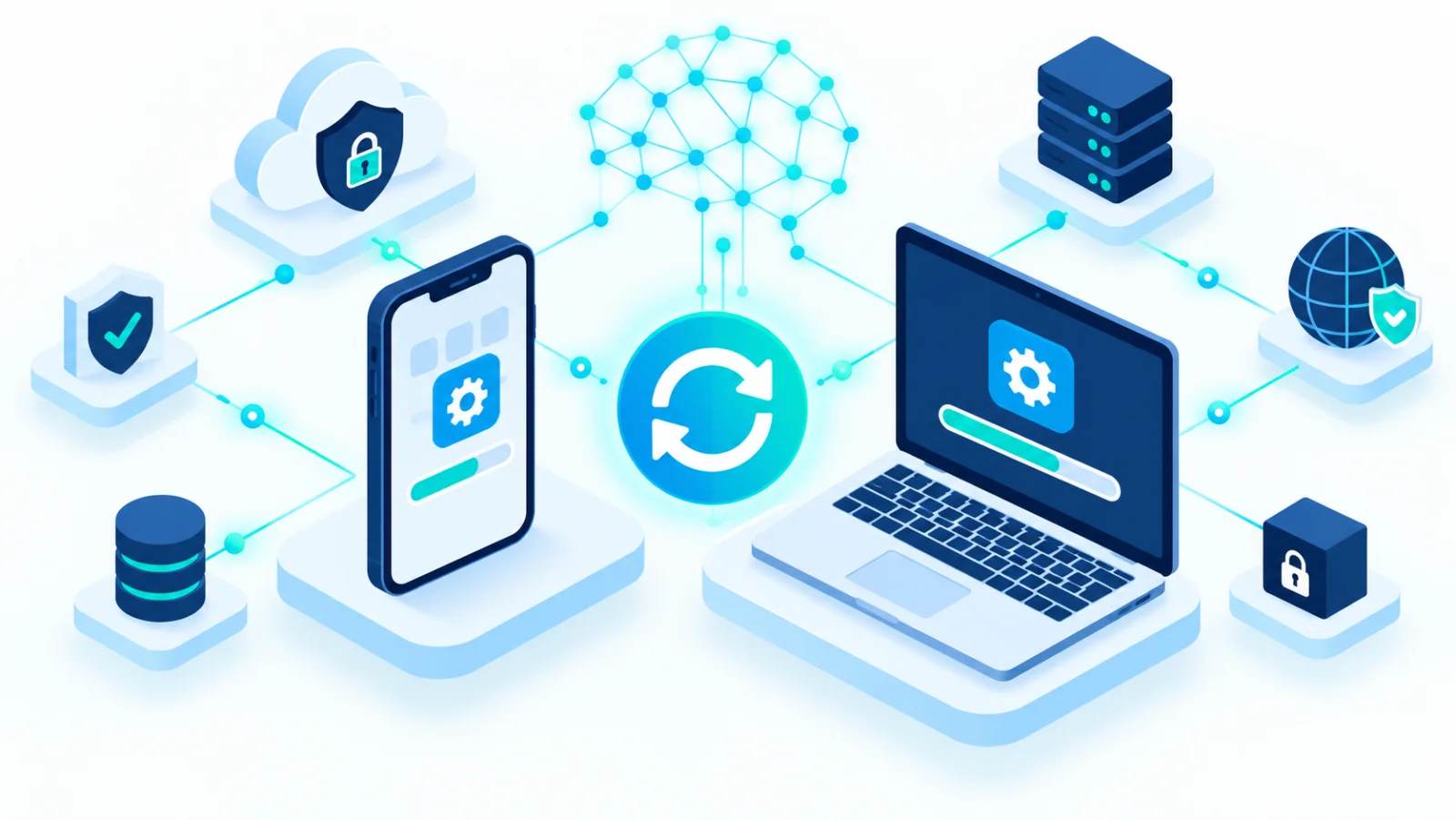
Recognize the scams aimed specifically at you
Freelancers are a favorite target for fake-client scams, invoice fraud, and phishing↗ that impersonates a platform you actually use (Upwork, PayPal, your invoicing tool). Because you deal with new "clients" regularly, you can't rely on "I only trust people I know" as a filter, you need to recognize the patterns instead. 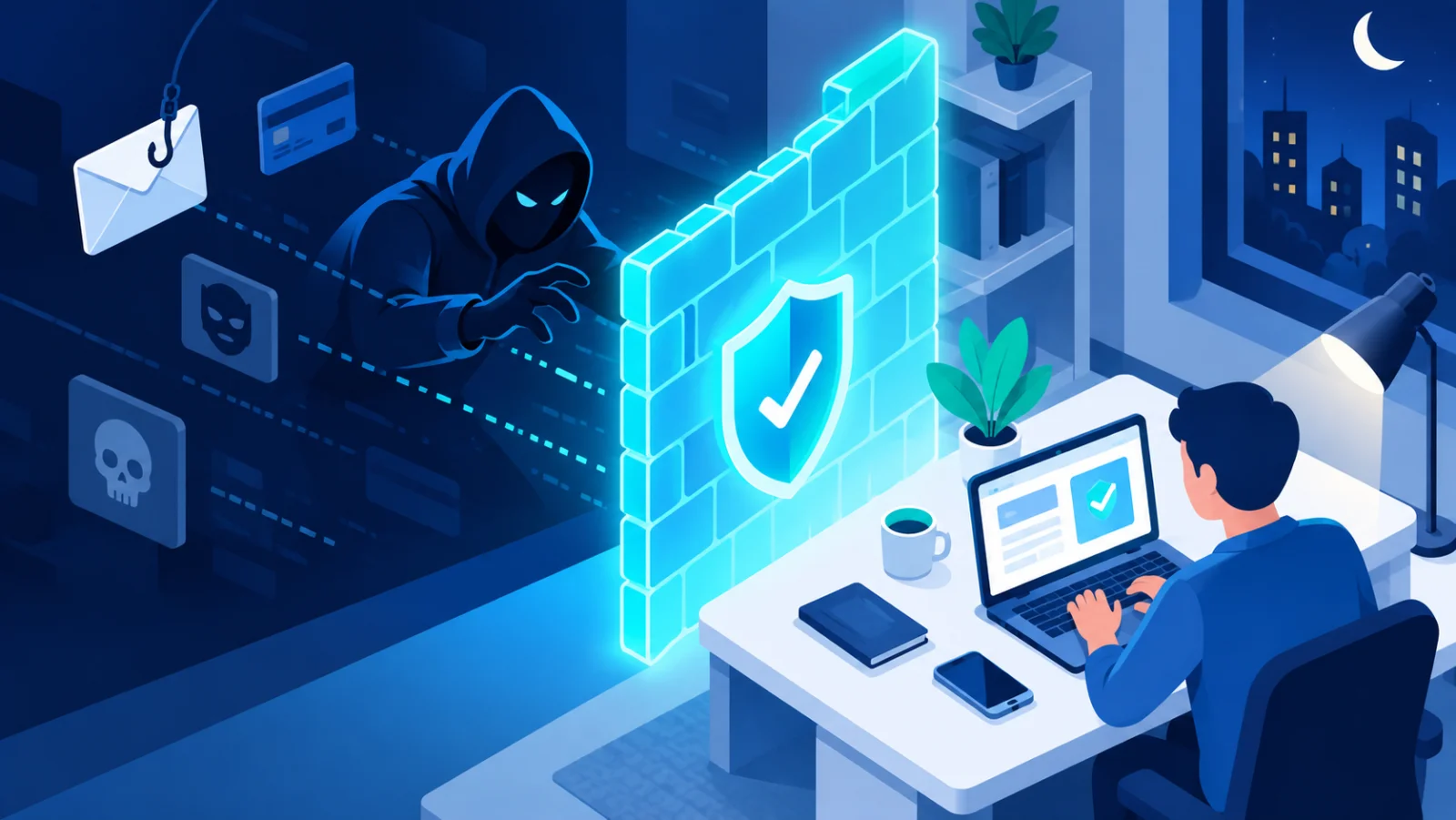
If you work from cafes, co-working spaces, or client offices
Working from shared networks and video-calling clients from public spaces changes your risk picture slightly, worth a specific look at what to tighten. 
Where your files actually live
If most of your work lives in cloud storage or SaaS tools rather than a personal folder, the account security of those services matters as much as your laptop does. 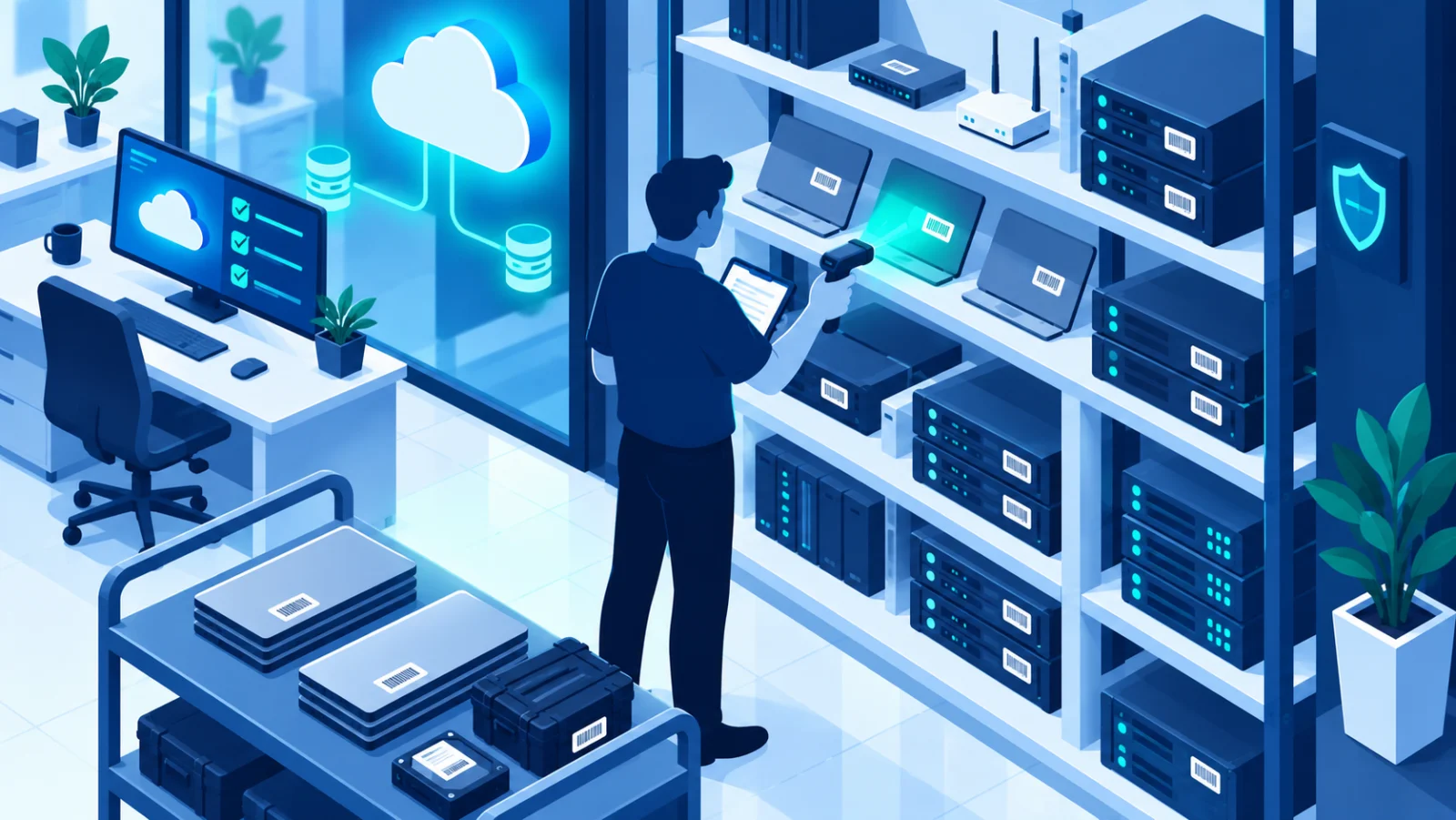
The bottom line
You don't need an enterprise security program. You need unique passwords with 2FA everywhere, backups that actually run, devices that update themselves, and a healthy skepticism toward anything that creates urgency around money or login details. Get those four right and you've closed off the overwhelming majority of realistic threats to a one-person business.