Keep Your Devices and Apps Updated
Updates don't just add features, they close known security holes. A simple, low-effort routine for keeping your phone and computer current.
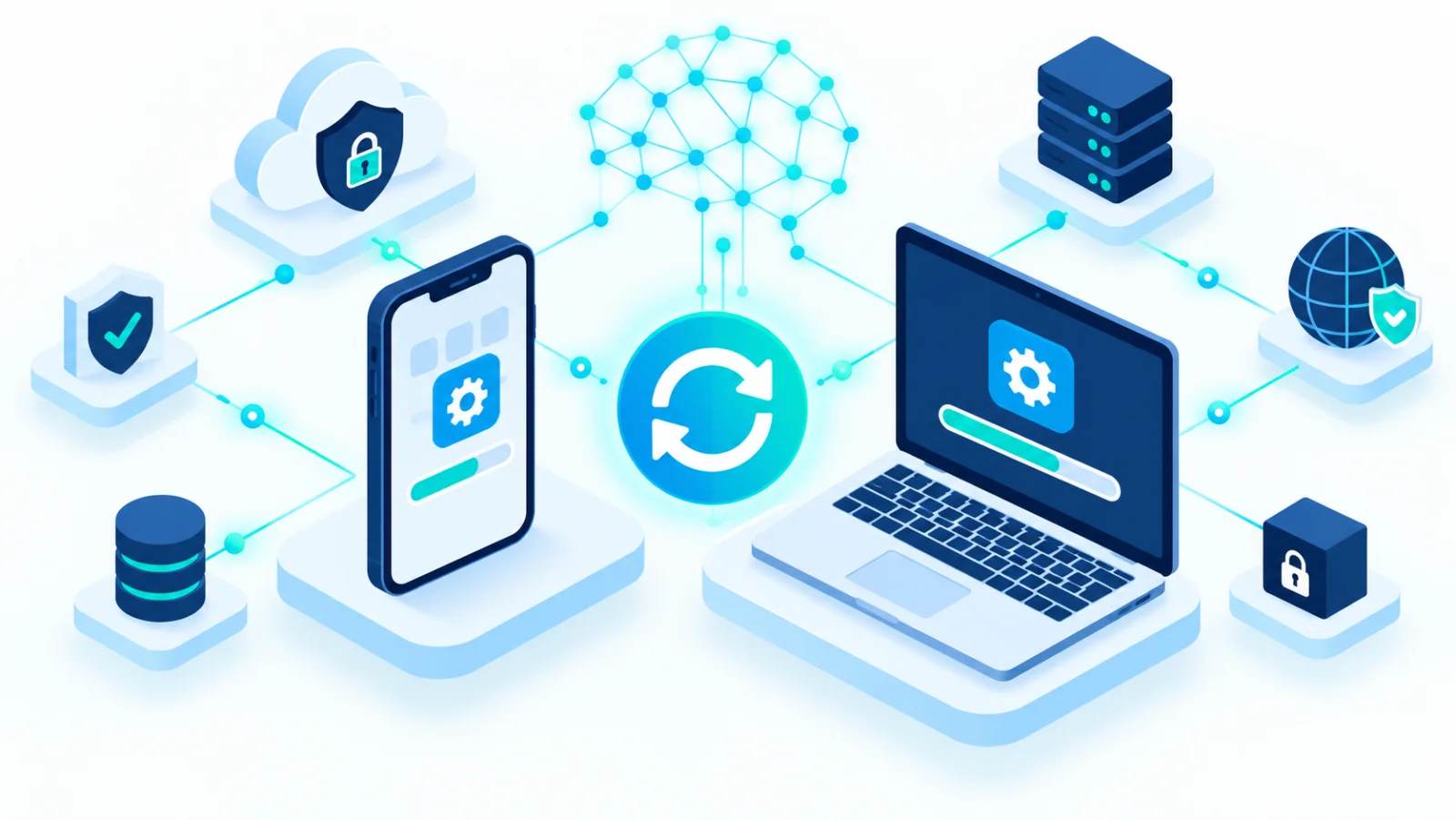
Software updates can feel like a chore, but most of them exist to close security holes that attackers actively exploit↗. An out-of-date phone, computer or app can be targeted through a vulnerability↗ the vendor already fixed. The good news: once you turn updates on automatically, they take almost no effort.
Why does this matter so much?
When a flaw is discovered, the vendor releases an update that fixes it. Until you install that update, your device stays exposed. Attackers usually don't chase the newest vulnerabilities, they target old, well-known ones that people never got around to patching, because millions of unpatched devices make an easy target.
The "I'll do it later" trap and common myths
- "Updates will slow my phone down." Security updates are usually small and often improve performance, the real risk is not updating.
- "Nothing will happen to me." Most attacks aren't targeted at a specific person, they're automated, and don't care who you are, only whether you're exposed.
- "I have antivirus↗, that's enough." Antivirus is one layer of defense; it doesn't substitute for closing a known hole.
Update your phone
Android
Operating system: Settings → System → Software update (on some devices: Settings → About phone → Software update), then tap "Download and install".
Apps: Play Store → profile icon (top right) → "Manage apps and device" → "Update all". You can also turn on auto-update from the same menu.
iPhone (iOS)
Operating system: Settings → General → Software Update → "Download and Install". Turn on "Automatic Updates" on the same screen.
Apps: Settings → App Store → turn on "App Updates" so apps stay current automatically.
Computers and other devices
- Windows: Settings → Windows Update → "Check for updates".
- Mac: System Settings → General → Software Update.
- Browser: the program you likely use most on the internet, an up-to-date version protects you from malicious sites. Most browsers update themselves whenever you close and reopen them.
- Smart home devices and routers: these run software too, check for firmware updates occasionally.
- Older devices: devices and operating systems that no longer receive updates ("end of support") carry real risk, replace them where you can.
After you update
Some updates only take effect after a restart, don't keep dismissing that "restart now" prompt. Before major updates, it's also a good habit to back up anything important.
The rule is simple: when an update notification appears, install it as soon as you reasonably can, and restart the device if it asks you to.
Related reading