
Supply Chain Security: Protecting Your Vendors and Partners
A growing share of major breaches start with a trusted vendor, not the target organization itself. Here's how to think about supply chain risk practically.

Modern organizations depend on dozens or hundreds of third-party vendors, software providers, contractors, cloud services, and hardware suppliers. Each one is a potential entry point into your systems, and attackers increasingly target the weakest link in that chain rather than attacking a well-defended organization head-on.
Why supply chain attacks are so effective
A supply chain attack compromises one trusted vendor and uses that trust to reach many downstream targets at once. Because the malicious activity arrives through a channel the victim organization already trusts, a software update, a vendor's remote access tool, a shared component, it often bypasses defenses designed to catch external threats.
Assessing vendor risk in practice
- Map what access each vendor actually has, many organizations don't have a full list of who can reach their systems and data.
- Ask vendors about their own security practices before signing a contract, not after an incident. Do they have a security point of contact? How do they handle vulnerabilities?
- Apply the principle of least privilege↗ to vendor access, a vendor supporting one system shouldn't have standing access to everything.
- Review vendor access periodically, not just at onboarding, access that made sense two years ago may no longer be needed.
Configuration management as a supply chain defense
Consistent, documented configuration across your systems makes it far easier to detect when something has changed unexpectedly, which is often the first sign of a supply chain compromise. Organizations with strong configuration management can answer "what changed, and when?" quickly; organizations without it often discover a compromise only much later, if at all.
Critical infrastructure considerations
For organizations operating critical national infrastructure, energy, water, healthcare, transportation, supply chain risk carries additional weight because a successful attack can have consequences well beyond the organization itself. This typically means stricter vendor vetting requirements, network segmentation↗ between operational technology and general IT systems, and regulatory reporting obligations that don't apply to typical businesses.
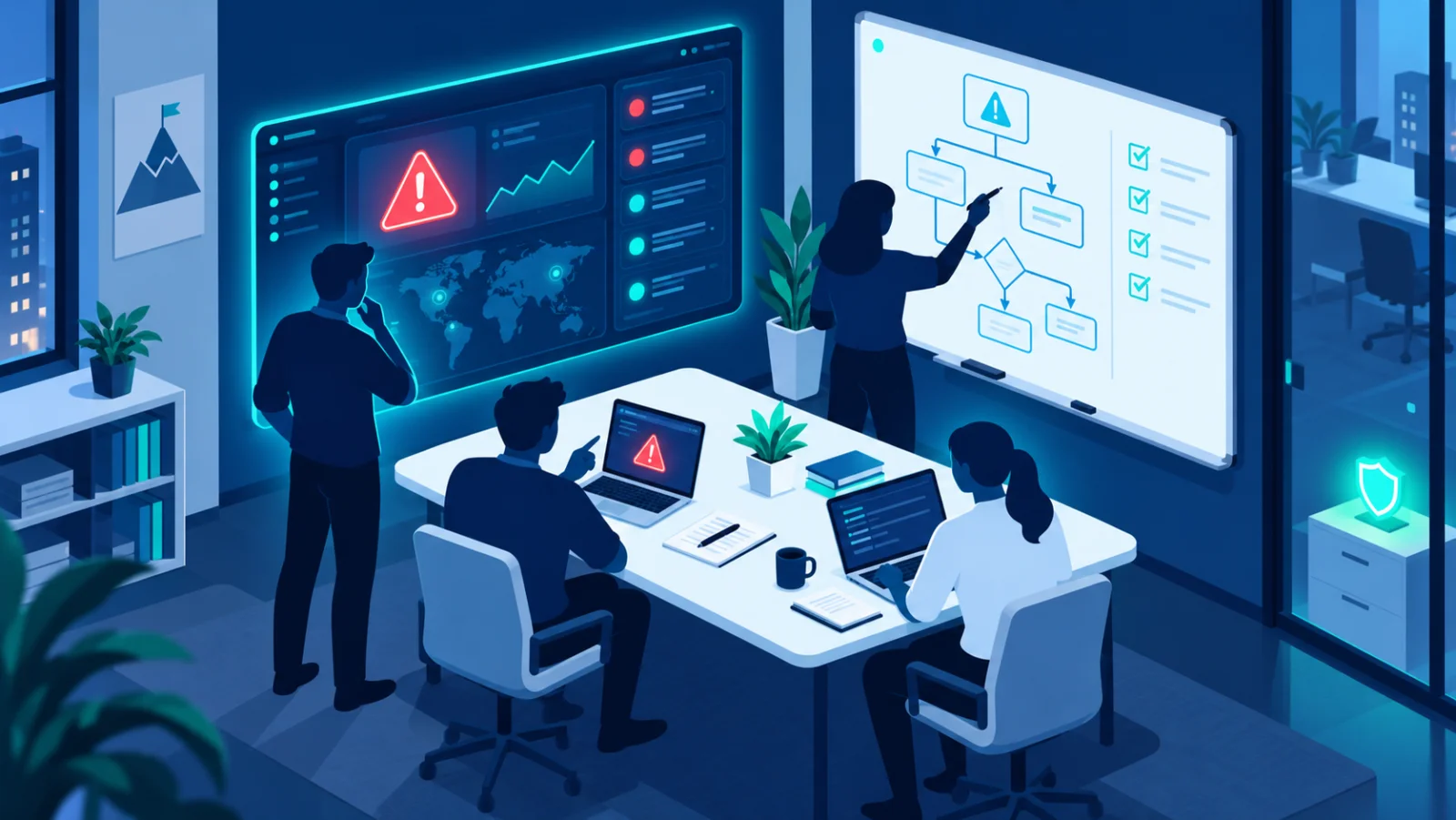
You can't fully control your vendors' security, but you can control how much access they have and how quickly you'd notice if something went wrong.