
Getting Started: A Security Roadmap for Public Sector Organizations
A practical starting roadmap for government and public service organizations balancing national-scale risk, compliance requirements, and public trust.

Public sector organizations carry a distinct burden: the data and services involved often affect entire communities, critical infrastructure may be in scope, and any breach carries a public-trust dimension that a private company simply doesn't face in the same way. This guide sets out where to focus first, aimed at security leads and policy owners working within government and public-service constraints.
Understand what makes your risk profile different
Public sector systems are frequently targeted precisely because they sit at national or regional scale, a successful attack on critical infrastructure or a government service has an impact far beyond any single organization's balance sheet. Framing your risk program around this reality, rather than treating it like a standard corporate risk assessment↗, changes what gets prioritized. 

Get the recognized baseline in place first
Before pursuing advanced capabilities, most public sector bodies benefit from nailing a recognized baseline framework, it's auditable, it's well-documented, and it closes off the most commonly exploited gaps. 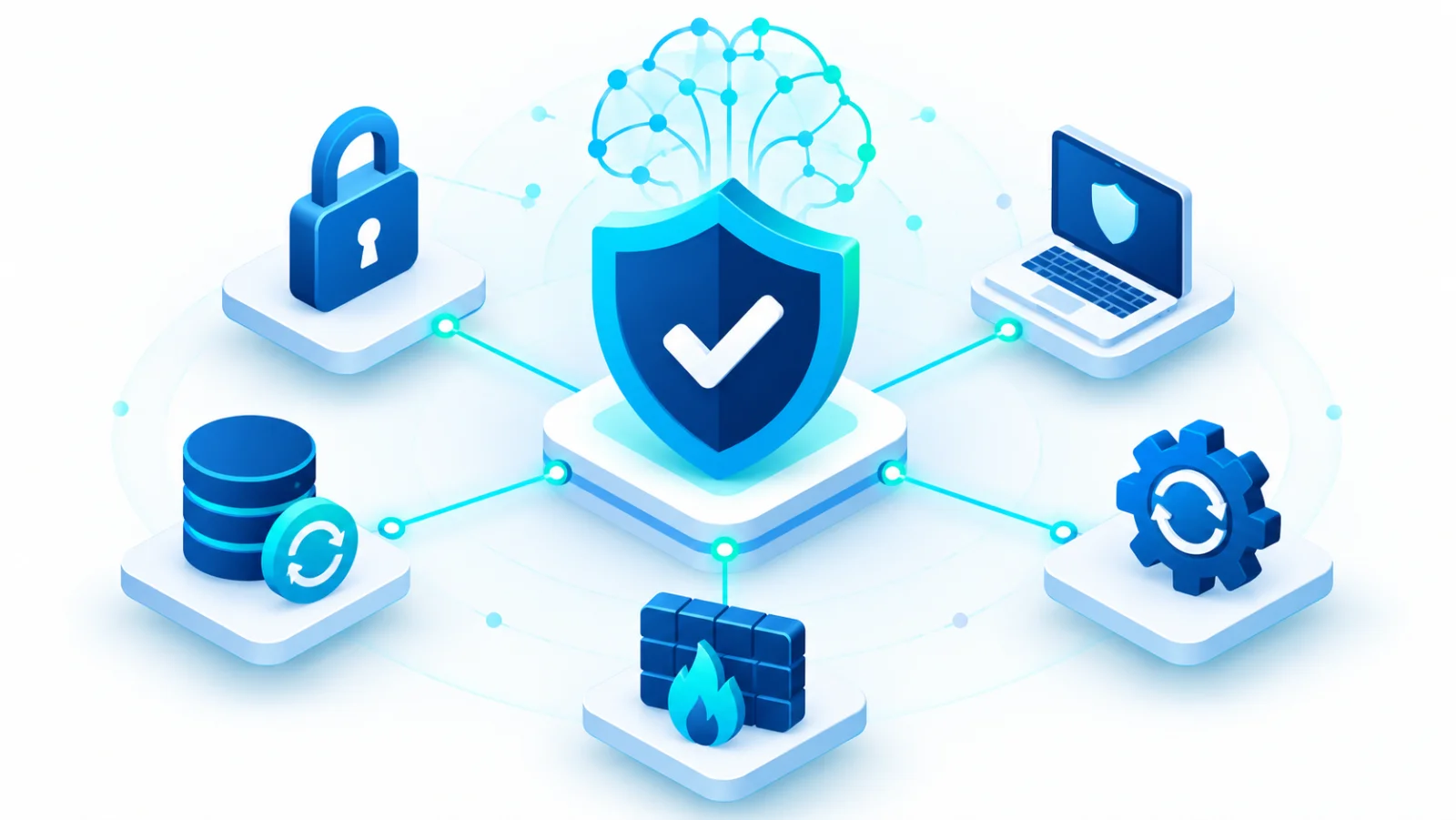
Build incident management that can withstand public scrutiny
An incident in a public sector context often comes with disclosure obligations, media attention, and oversight bodies asking hard questions. Logging, monitoring, and a documented incident management process aren't optional extras, they're what lets you answer those questions credibly. 

Take supply chain risk seriously
Public sector procurement often involves long vendor chains and legacy contracts signed before modern security requirements existed. Reassessing vendor risk, especially for anything touching sensitive data or critical systems, closes a gap that's frequently exploited. 
Build AI governance↗ into policy now
Public sector adoption of AI tools carries extra weight, decisions affecting citizens need to be explainable, fair, and auditable in a way that private-sector AI use often doesn't face the same scrutiny for. Getting governance structures in place early avoids much larger problems later. 

Invest in your people, not just your systems
Public sector workforces are broad and varied, and security policies need to work for all of them, not just the technically inclined. Inclusive design of training and exercises, and policies people can realistically follow, both materially improve real-world compliance. 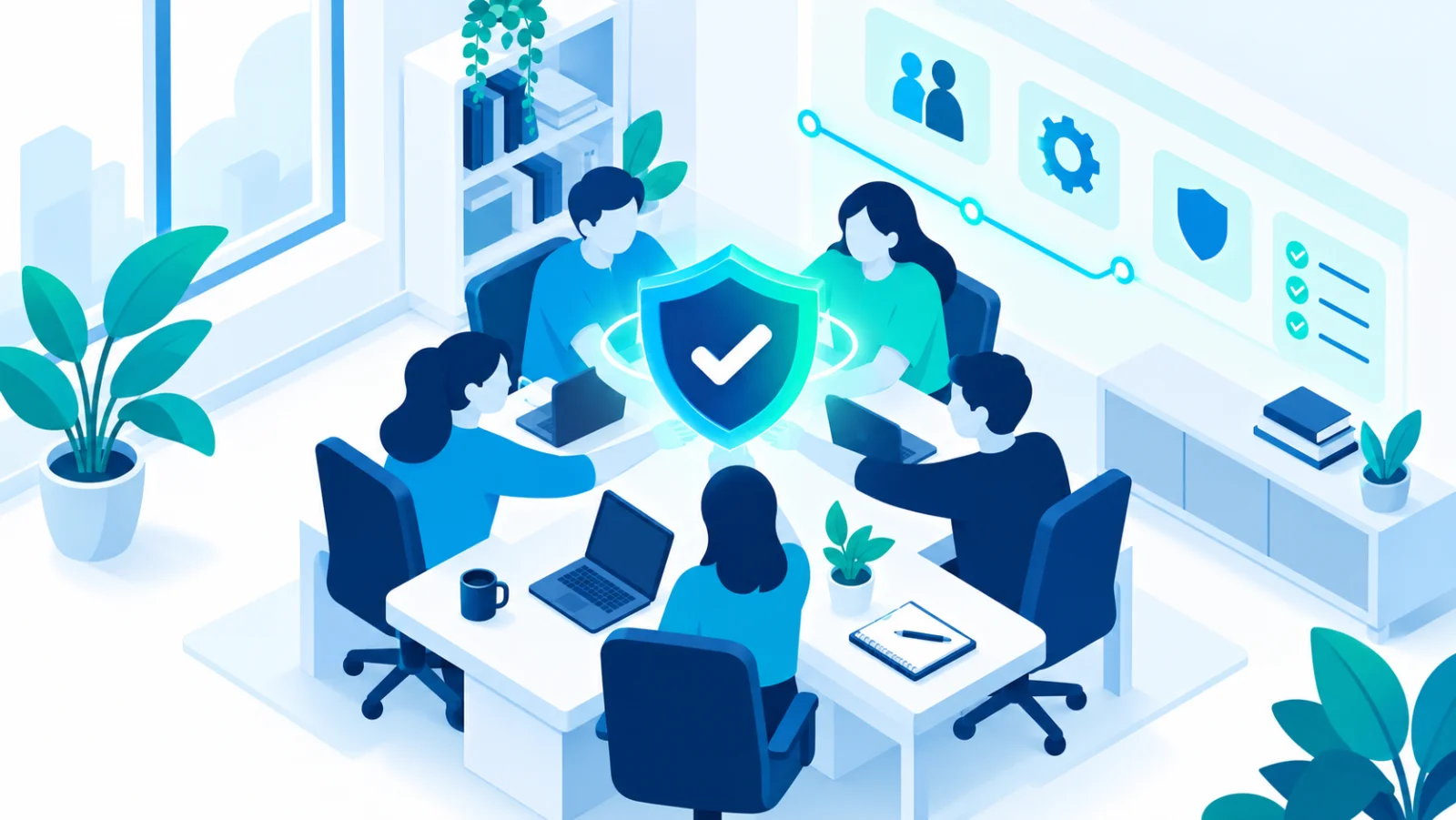

Cover the basics that still cause most incidents
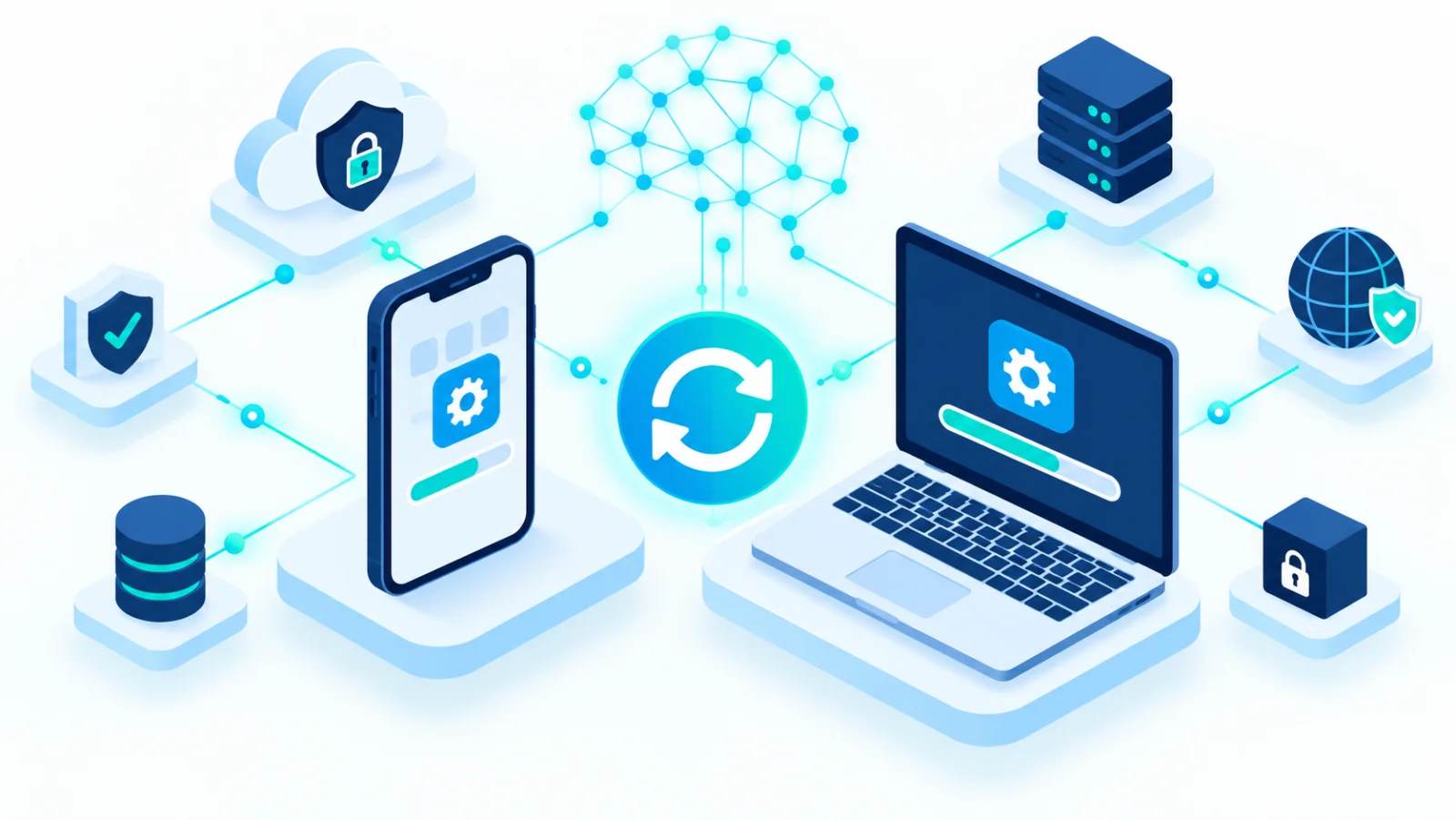
Password hygiene and keeping systems updated remain the foundation everything else builds on, regardless of how sophisticated your broader program becomes. 
Grow your own talent pipeline
Public sector security teams often struggle to compete with private-sector salaries for experienced staff, building a talent pipeline through education and outreach is a longer-term but often more sustainable answer. 

The bottom line
A credible public sector security program starts with a recognized baseline, builds incident management that can survive public scrutiny, extends into supply chain and AI governance, and invests in people as much as systems, always with the understanding that the stakes here extend well beyond any one organization.