
Active Cyber Defence and National Cyber Strategy
Beyond individual organizations, governments run large-scale programs to reduce cyber harm across entire countries. Here's how active defence and national strategy fit together.

Most cybersecurity↗ advice focuses on what an individual or organization can do. But governments and national agencies also run large-scale programs designed to reduce cyber harm across an entire population or economy at once, an approach often called active cyber defence.
What "active cyber defence" means
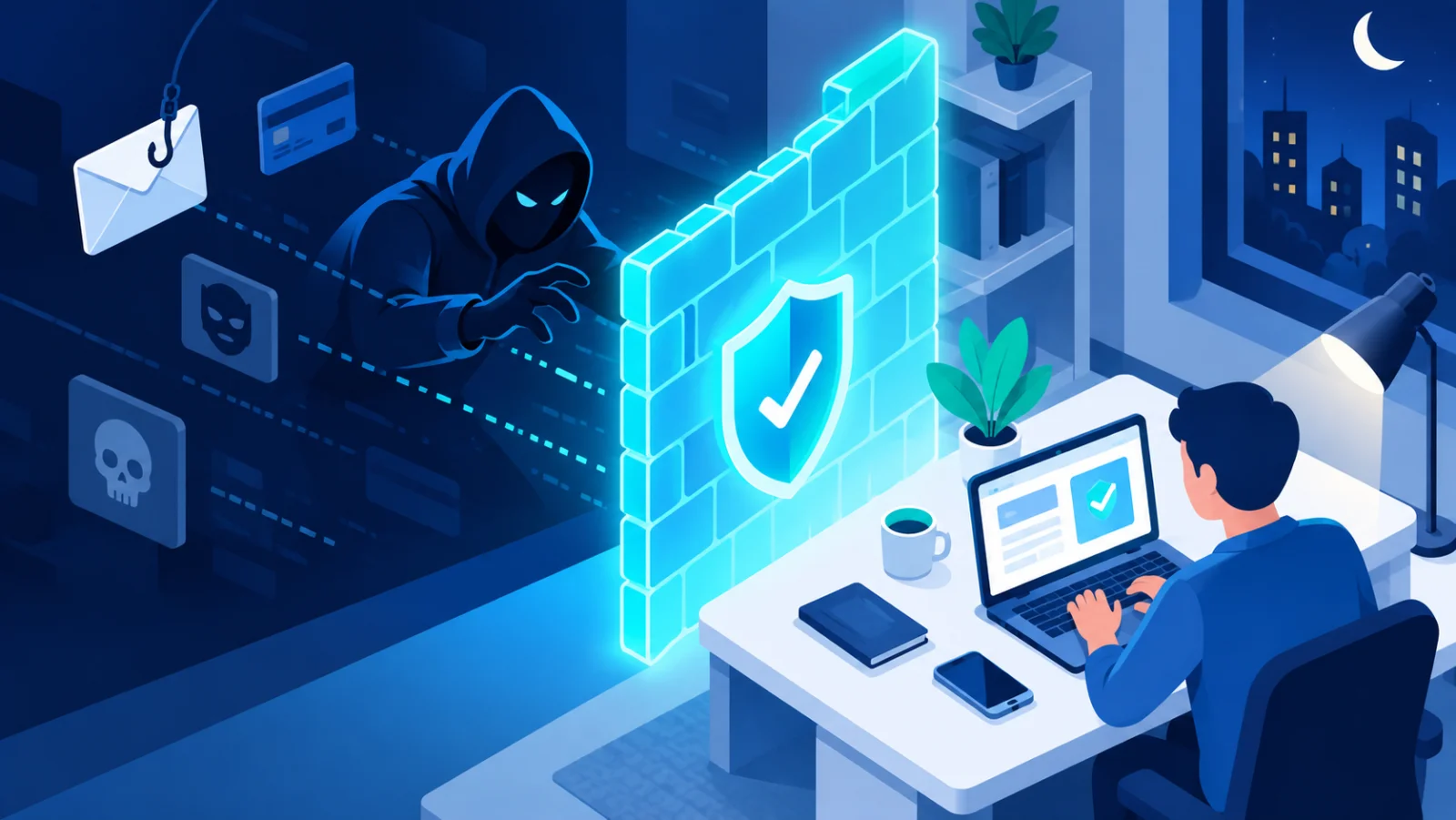
Active cyber defence refers to coordinated, often automated measures that reduce the effectiveness of common attacks at scale, rather than relying solely on each individual organization to defend itself independently. Typical examples include: automatically blocking known-malicious domains at the national internet infrastructure level, takedown programs that remove phishing↗ sites and fake websites impersonating trusted brands, and shared threat intelligence↗ that warns organizations about active campaigns before they're individually targeted.
Why this matters even if you're not a government agency
These programs quietly reduce the volume of attacks that ever reach individuals and businesses in the first place, a phishing domain taken down before it's widely distributed never generates the emails that would have landed in your inbox. Understanding that this layer exists also helps explain why reporting phishing and scams matters: those reports often feed directly into national takedown and blocking efforts.
Cyber strategy: the bigger picture
A national cyber strategy sets priorities and direction across government, critical infrastructure, and often the broader economy, typically covering areas like: which sectors are treated as critical infrastructure requiring stricter protection, how the country develops cybersecurity skills and talent, and how incidents affecting national interests get coordinated and reported.
Mitigation as an ongoing discipline
Mitigation is the practical work of reducing the impact or likelihood of a threat once it's identified, distinct from prevention (stopping it entirely) and response (reacting after it happens). Effective mitigation strategies are layered: no single control is expected to stop every attack, but each layer reduces the number that get through and limits the damage from the ones that do.
What organizations can take from this
- Report phishing and scams to the relevant national reporting channel, it contributes to defence at a scale beyond your own organization.
- Stay aware of sector-specific guidance if you operate in a regulated or critical industry.
- Recognize that no organization defends alone, you benefit from, and contribute to, a much larger collective defence effort.
Individual good practice and national-scale active defence work together, one reduces your personal exposure, the other reduces how many threats exist in the first place.