
Getting Started: A Security and AI Governance Roadmap for Large Enterprises
Where a large, complex organization should focus first when building out its security and responsible-AI program, a roadmap, not a checklist.
Where should a large enterprise start its AI governance roadmap?
With a structured risk assessment to identify what's actually at stake, then consistent basics (patching, access control, backups) before layering in AI-specific acceptable-use policy and governance structures.
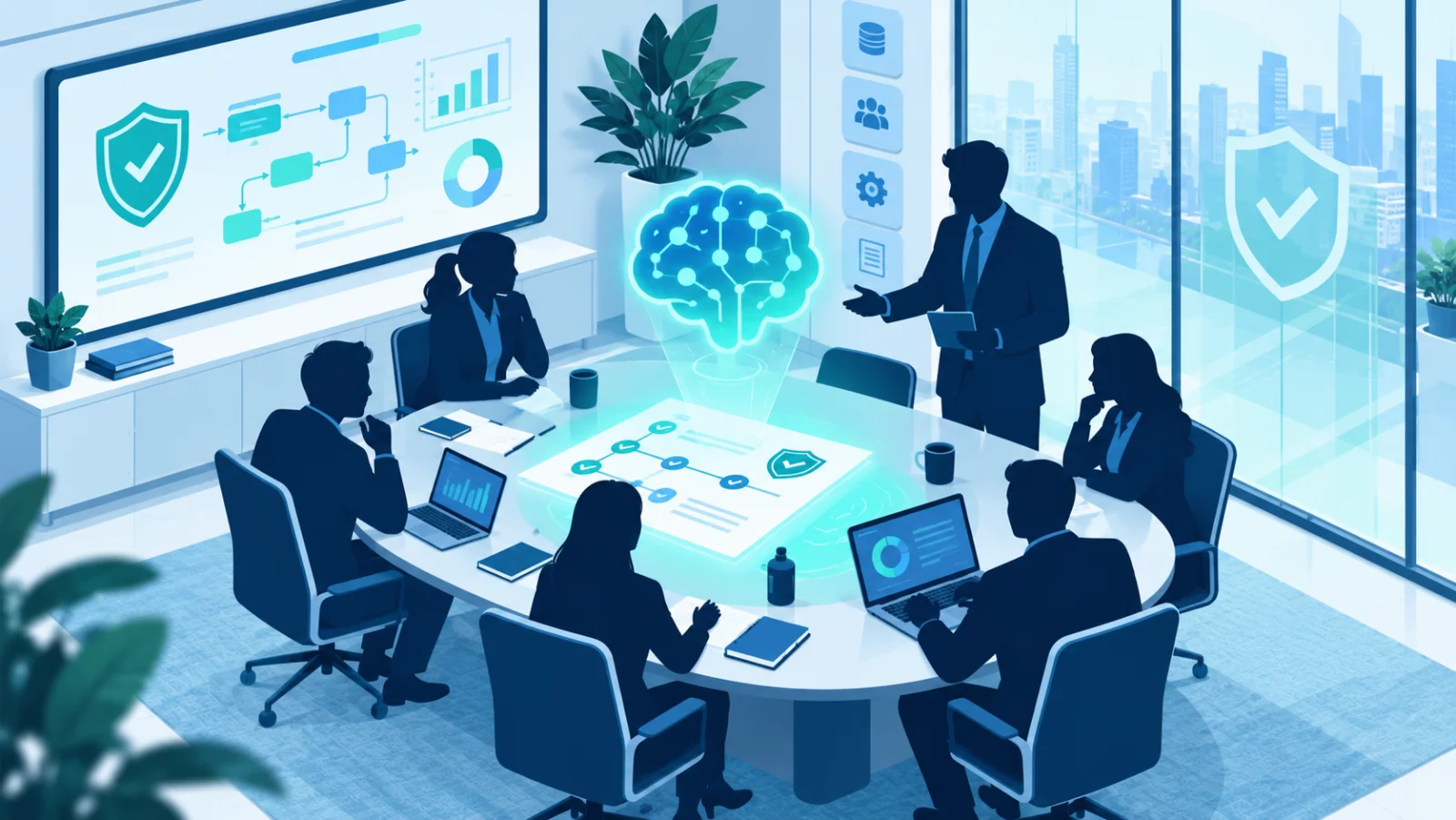
At enterprise scale, security stops being a set of individual habits and becomes a governance problem: hundreds or thousands of people, dozens of vendors, legacy systems that predate current policy, and increasingly, AI tools adopted faster than anyone formally approved them. This guide isn't a checklist to complete once, it's a roadmap for sequencing a mature program, aimed at security leaders, risk owners, and executives sponsoring the work.
Start with risk, not with tools
The organizations that struggle most are the ones that bought security tools before deciding what they were actually protecting against. A structured risk assessment↗, identifying what could go wrong, how likely it is, and what it would cost, is what lets a security budget get allocated to the risks that matter most, rather than the vendor with the best sales pitch. 
Build the incident response↗ muscle before you need it
Every large organization will eventually have an incident. The difference between a controlled, fast recovery and a chaotic, expensive one is almost entirely down to whether a response plan existed and was rehearsed beforehand. 
Get your basics genuinely consistent at scale
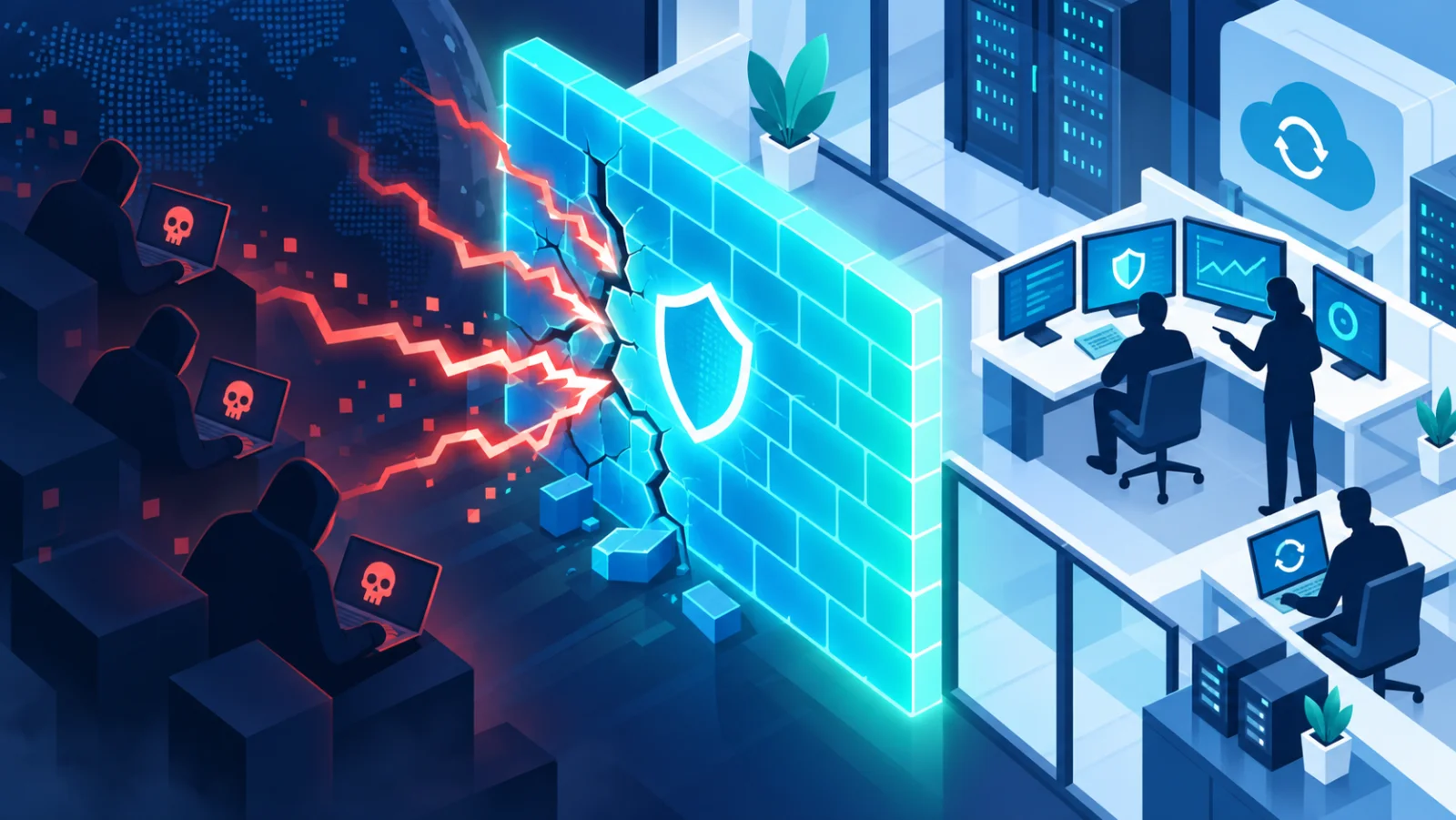
Patch management↗, access control↗, and backup↗ discipline sound basic, but at the scale of thousands of endpoints and dozens of business units, "basic" is where most real breaches actually happen, not from sophisticated zero-days, but from a patch↗ that quietly never rolled out to one subsidiary. 

Modernize authentication↗ across the whole organization
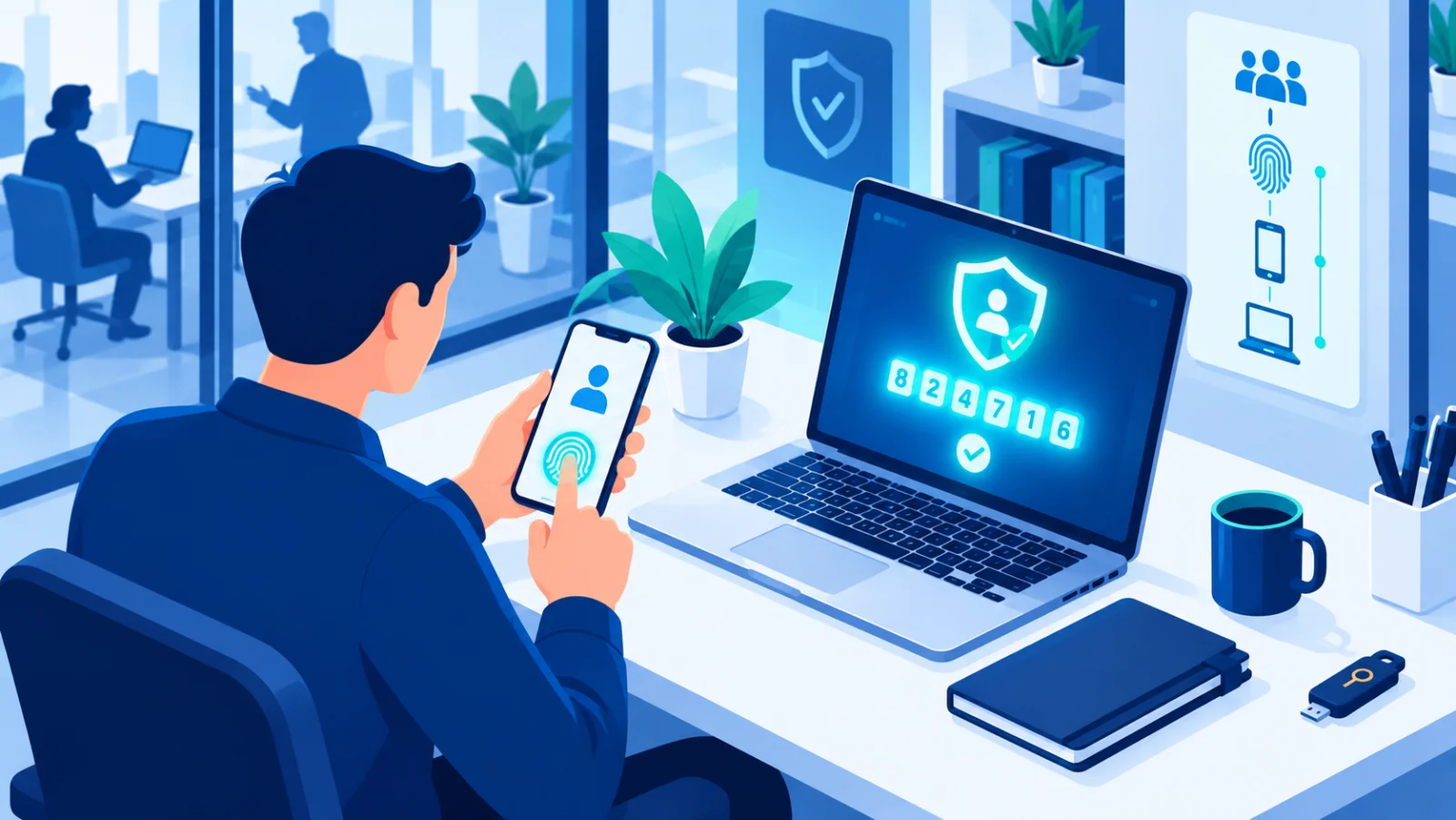
Rolling out passkeys and modern authentication architecture organization-wide is a multi-quarter project, but it closes off the credential-theft attack path that causes a large share of real breaches. 
Treat your supply chain as part of your attack surface↗
A large enterprise's security posture is only as strong as its weakest vendor with privileged access. Vendor risk assessment and ongoing monitoring of third-party access deserve the same rigor as internal controls. 

Get ahead of AI governance↗ now, not after an incident
Employees are already using AI tools, whether or not there's a formal policy. Writing a clear, practical acceptable-use policy, and pairing it with real governance structures for higher-risk AI use cases, is far cheaper than responding to a data-leak incident after the fact. 

Invest in the human layer, not just the technical one
Policies that people can't realistically follow get quietly ignored. Security culture, inclusive design of security exercises, and how policies are actually written all materially affect whether your controls work in practice or just on paper. 

The bottom line
Sequence matters: risk assessment and incident response readiness first, consistent basics (patching, access, backup) second, modern authentication and supply-chain oversight third, and AI governance woven in throughout rather than bolted on afterward. A large enterprise that gets this sequence right spends less, recovers faster, and avoids the AI-related incidents that are becoming boardroom-level risks.
Frequently Asked Questions
Where should a large enterprise start its AI governance roadmap?
With a structured risk assessment to identify what's actually at stake, then consistent basics (patching, access control, backups) before layering in AI-specific acceptable-use policy and governance structures.
Is an AI governance checklist enough for a large enterprise?
No, a checklist alone misses sequencing. A roadmap that orders risk assessment, incident response readiness, consistent basics, and AI governance according to what actually reduces the most risk first matters more than completing items in any order.
Related reading