Skip to content
SecAIQ

Getting Started: Building Security and AI-Safety Literacy for Students and Educators

A starting roadmap for students building cybersecurity knowledge and career direction, and for educators building that literacy into their classrooms.

Whether you're a student exploring cybersecurity as a field, or an educator trying to build genuine digital literacy into a classroom, the starting point is the same: understand the fundamentals well enough to build on, then find the specific direction, technical, policy, teaching, that fits where you want to go. This guide sets out that path.

Build genuinely solid fundamentals first

Before diving into advanced topics, make sure the basics are second nature: strong unique passwords, recognizing scams, and understanding why these habits matter rather than just following rules. This is the foundation every more advanced topic builds on, and it's exactly what you'll need to teach or explain to others.

Creating Strong, Memorable Passwords
Why passwords get cracked, what makes a password strong, and practical ways to create passwords that are hard to break but easy to remember.
Recognizing and Avoiding Online Scams
Fake messages, "act now" pressure, and convincing lookalike websites, learn the common tricks scammers use and how to protect yourself.
Protect Your Accounts with Two-Factor Authentication
The single most effective step you can take to protect an account even if your password is stolen, with step-by-step setup for major platforms.

Understand the "why," not just the "how"

Cryptography is a good entry point into genuinely understanding security rather than just following checklists, it explains why encryption actually works, which makes every other security concept make more sense.

Cryptography Basics: How Encryption Protects You
You rely on encryption dozens of times a day without noticing. Here's a practical, non-mathematical explanation of how it works and why it matters for secure design.

See how a real attack actually unfolds

Understanding a real cyber attack end-to-end, reconnaissance through impact, turns abstract security concepts into a concrete story, which is both more memorable for learning and more useful for anyone considering a security career.

Anatomy of a Cyber Attack: From Reconnaissance to Ransom
Understanding the typical stages of a cyber attack helps you recognize warning signs earlier, and understand why national cyber strategy focuses where it does.

Explore structured pathways into the field

For students specifically: structured programs designed to build the next generation of security talent exist precisely to make this field more accessible, regardless of your starting background.

CyberFirst: Building the Next Generation of Security Talent
The cybersecurity talent shortage starts with education. Programs that introduce students to the field early, and the research that supports them, are a long-term defense investment.
Building the Next Generation of Cyber Talent Through Education and Outreach
The cybersecurity skills gap will not close through hiring alone. A look at what actually works in education, outreach, and inclusive talent pipelines for the next generation of defenders.

Think about certifications early, but not too early

Certifications can help structure a learning path and signal skill to future employers, but they work best once you already have real foundational knowledge to build on, and when chosen deliberately for the direction you want your career to go.

Choosing the Right Cybersecurity Certification for Your Career Path
From entry-level foundations to specialized offensive security credentials, a practical guide to which certifications actually matter at each stage of a cybersecurity career.

For educators: build inclusive, human-centered lessons

Security education works best when it's designed for the full diversity of a classroom, not just for students who are already technically inclined, and when exercises and examples reflect that diversity deliberately.
Inclusive Security: Why Diversity Strengthens Cyber Defence
Diverse teams catch blind spots that homogeneous teams miss, and academic research consistently backs this up. Here's why inclusion is a security advantage, not just a values statement.
Inclusive Security Exercises: Testing Your Human Defenses
Tabletop exercises and simulations reveal gaps that policy documents never do, and they work best when they reflect the full diversity of the people who will actually respond.

For educators: connect security to how policies actually work

Teaching students to design (or evaluate) security policies people can realistically follow, not just theoretically comply with, is a genuinely valuable, transferable skill regardless of what career path a student eventually chooses.
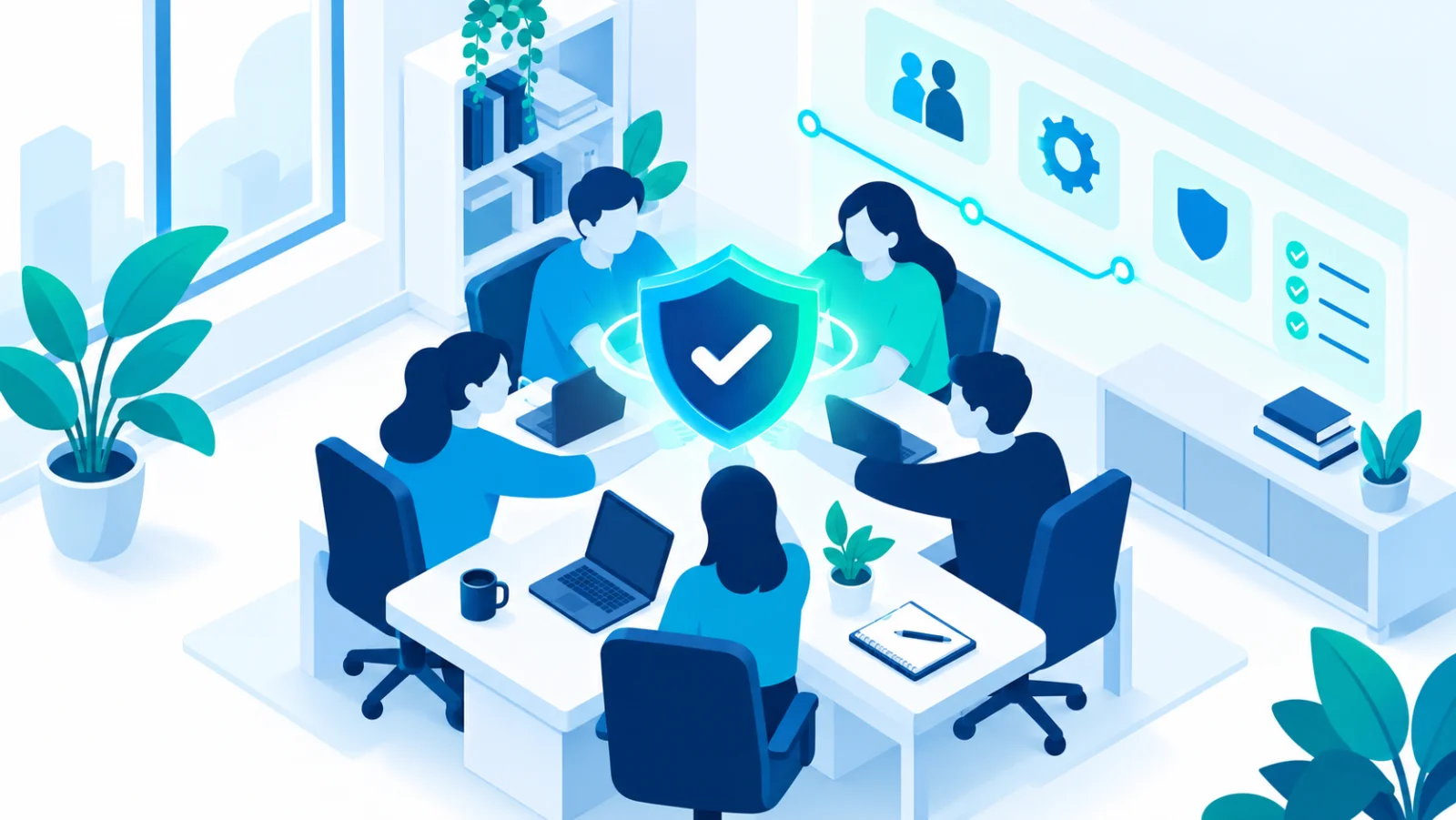
People-Centred Security: Designing Policies Humans Actually Follow
Security policies that ignore how people actually work get quietly ignored. A practical look at designing remote work, video conferencing, and social media policies people follow because they make sense.
Building a People-Centred Security Culture
The most effective security programs treat people as a defense, not just a risk. Here's how education, practice, and culture combine to make security actually work.

Don't skip AI safety, it's part of the same literacy now

For both students and educators, understanding AI safety and prompt injection is quickly becoming as fundamental as traditional cybersecurity literacy, especially as AI tools become embedded in everyday schoolwork and classroom tools.
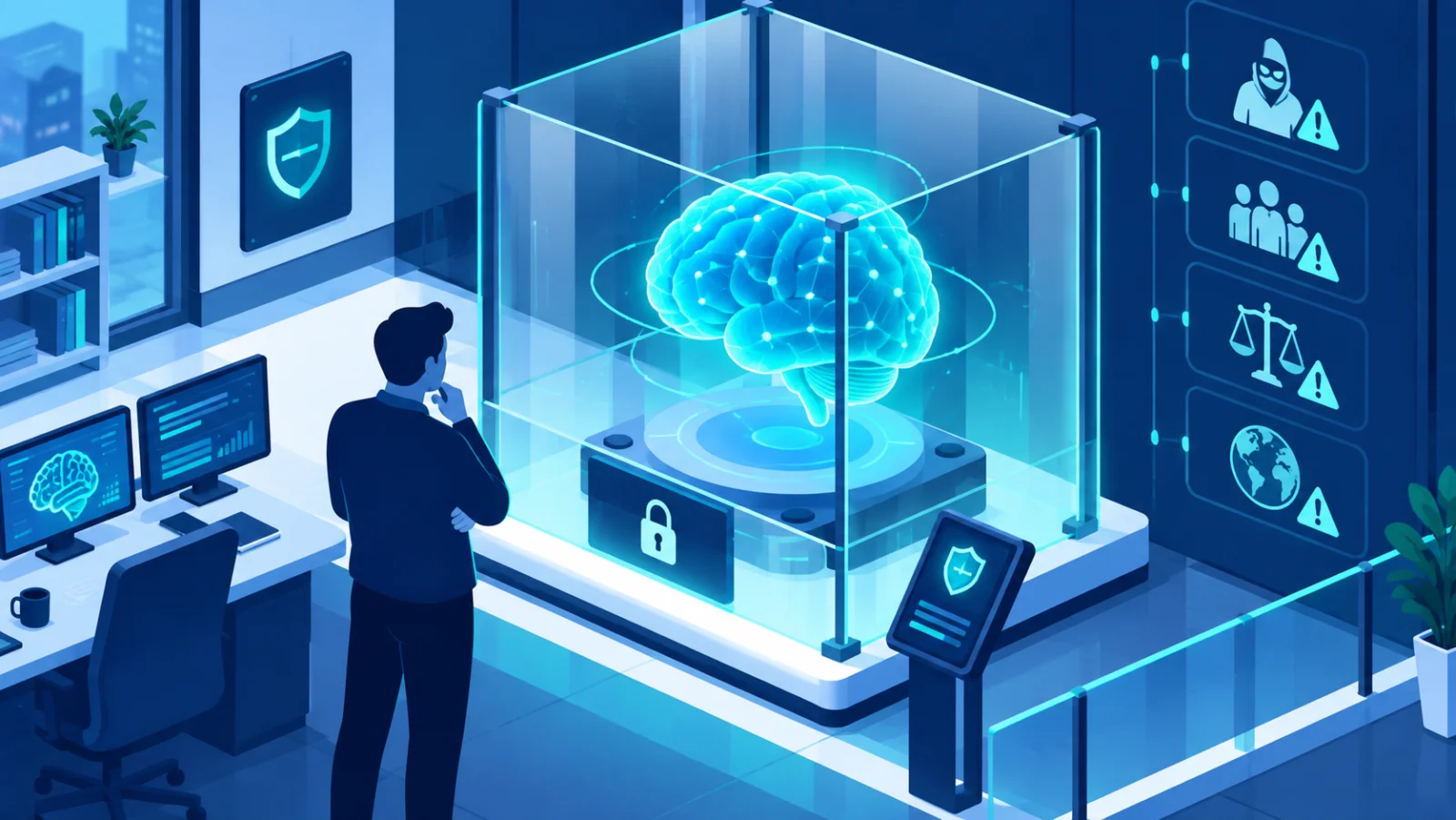
AI Safety for Employees: What You Need to Know
AI safety for employees means knowing what can go wrong when you use AI tools at work, misplaced trust in outputs, manipulation of the AI itself, and data exposure, and how to use them without creating risk for yourself or your employer.
Prompt Injection: The New Frontier of AI Attacks
When an AI assistant reads a webpage, email, or document, hidden instructions inside that content can hijack its behavior. Here's what prompt injection is and how organizations are defending against it.

Cover the everyday habits too

Keeping personal and school devices updated is a small habit that reinforces everything else being taught, and it's something every student can act on immediately.
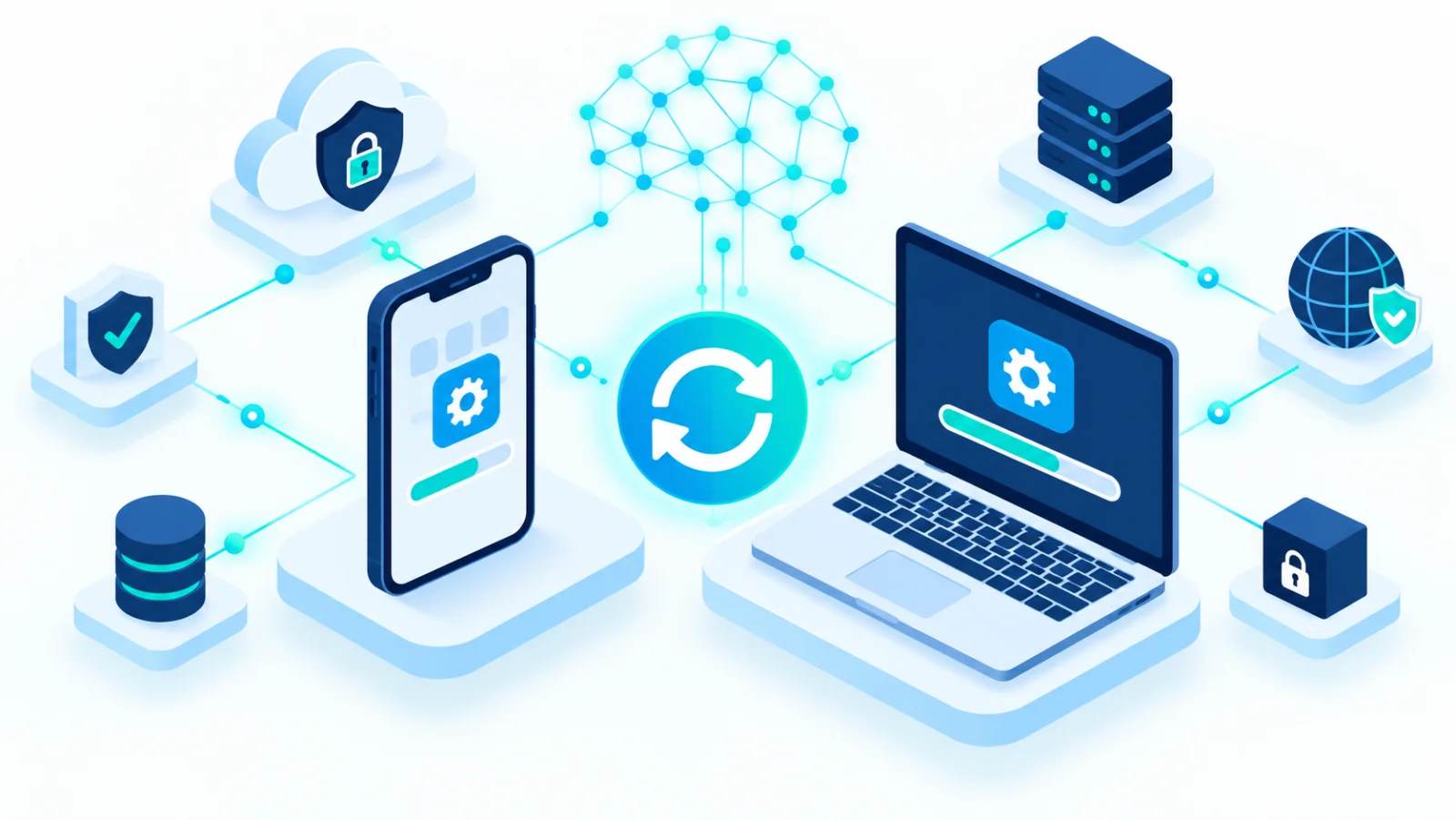
Keep Your Devices and Apps Updated
Updates don't just add features, they close known security holes. A simple, low-effort routine for keeping your phone and computer current.

The bottom line

Start with fundamentals that build genuine understanding rather than rote rules, use real attack stories to make concepts concrete, explore structured pathways if you're considering the field professionally, and, for educators, design lessons and exercises that are inclusive and connect to how security actually works for real people, not just in theory.

#students #educators #education #getting started #roadmap
View as Markdown

Was this helpful?

Share on