Unlike the other guides on this site, this one assumes you already know the fundamentals. What follows is a roadmap for going deeper, the technical areas, career milestones, and staying-current habits that separate a competent practitioner from one who's genuinely ahead of the threat landscape.
Understand attacks end-to-end, not just by category
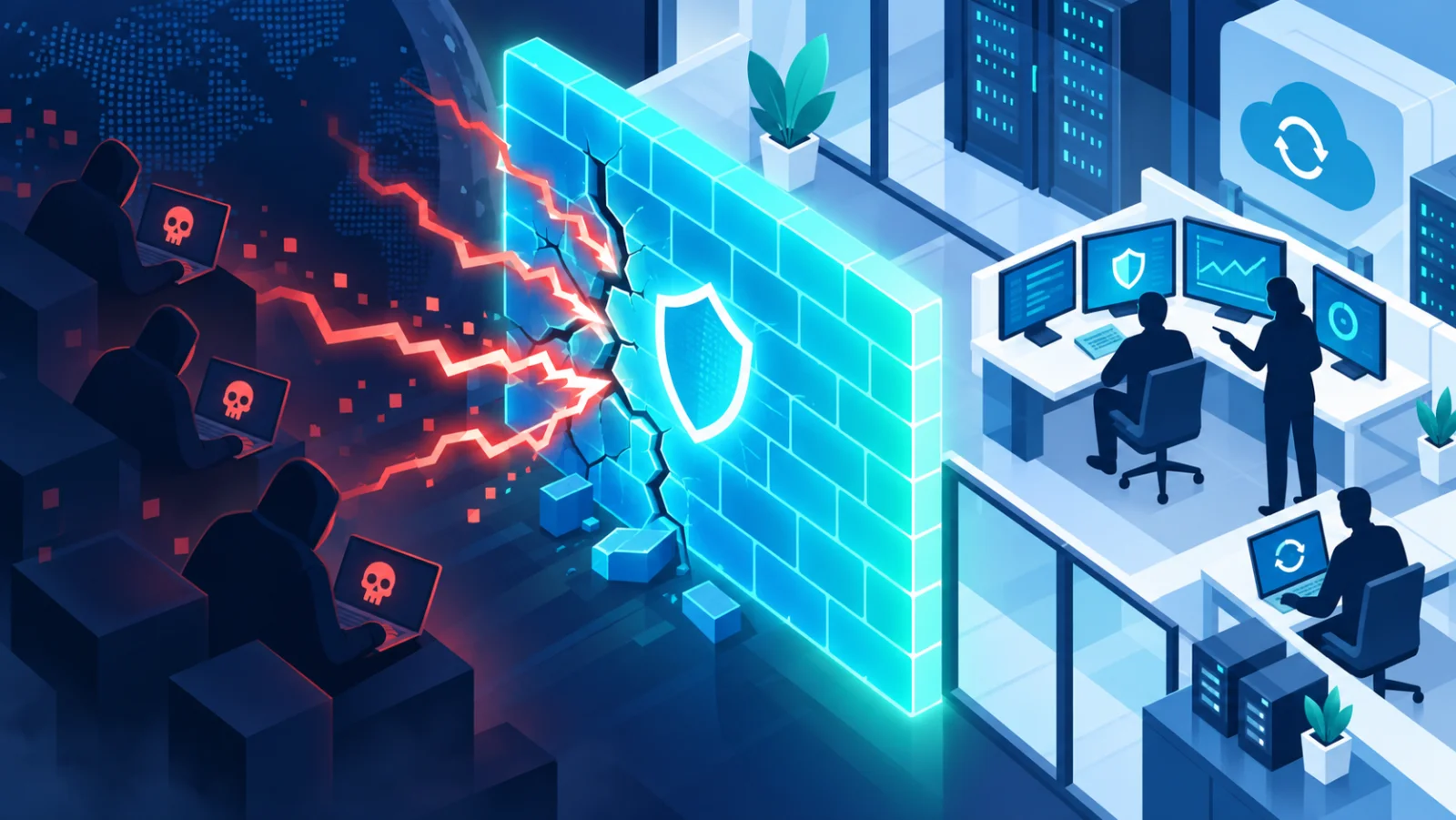
Knowing that phishing↗, ransomware↗, and supply-chain attacks exist isn't the same as understanding how a real attack actually unfolds, reconnaissance, initial access, lateral movement↗, and impact. That end-to-end view is what makes detection and response decisions intuitive rather than reactive.
Penetration testing↗ and red-teaming skills, even if your day job is defensive, sharpen your intuition for what's actually exploitable versus theoretically vulnerable. Structured, hands-on practice beats reading about techniques.
Prevention will always fail eventually; what separates strong security teams is how fast they detect and respond. Building a real security operations capability, logging, monitoring, alerting that's actually tuned rather than just noisy, is one of the highest-leverage technical skills.
Understand cryptography well enough to make real decisions
You don't need to implement your own cryptographic primitives, but you do need to understand encryption↗ well enough to evaluate whether a system's design actually protects what it claims to, and to spot when something is being done wrong.
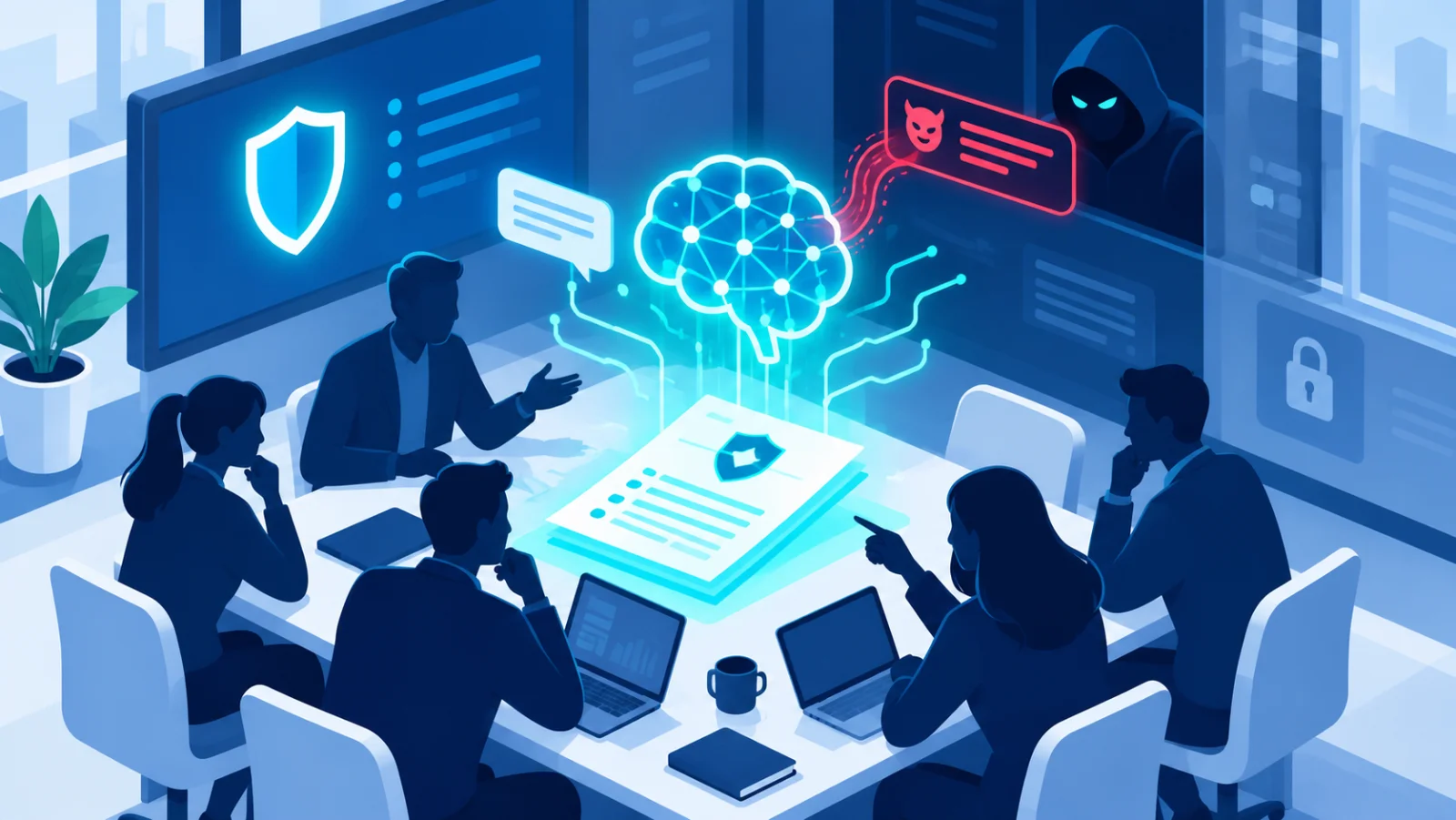
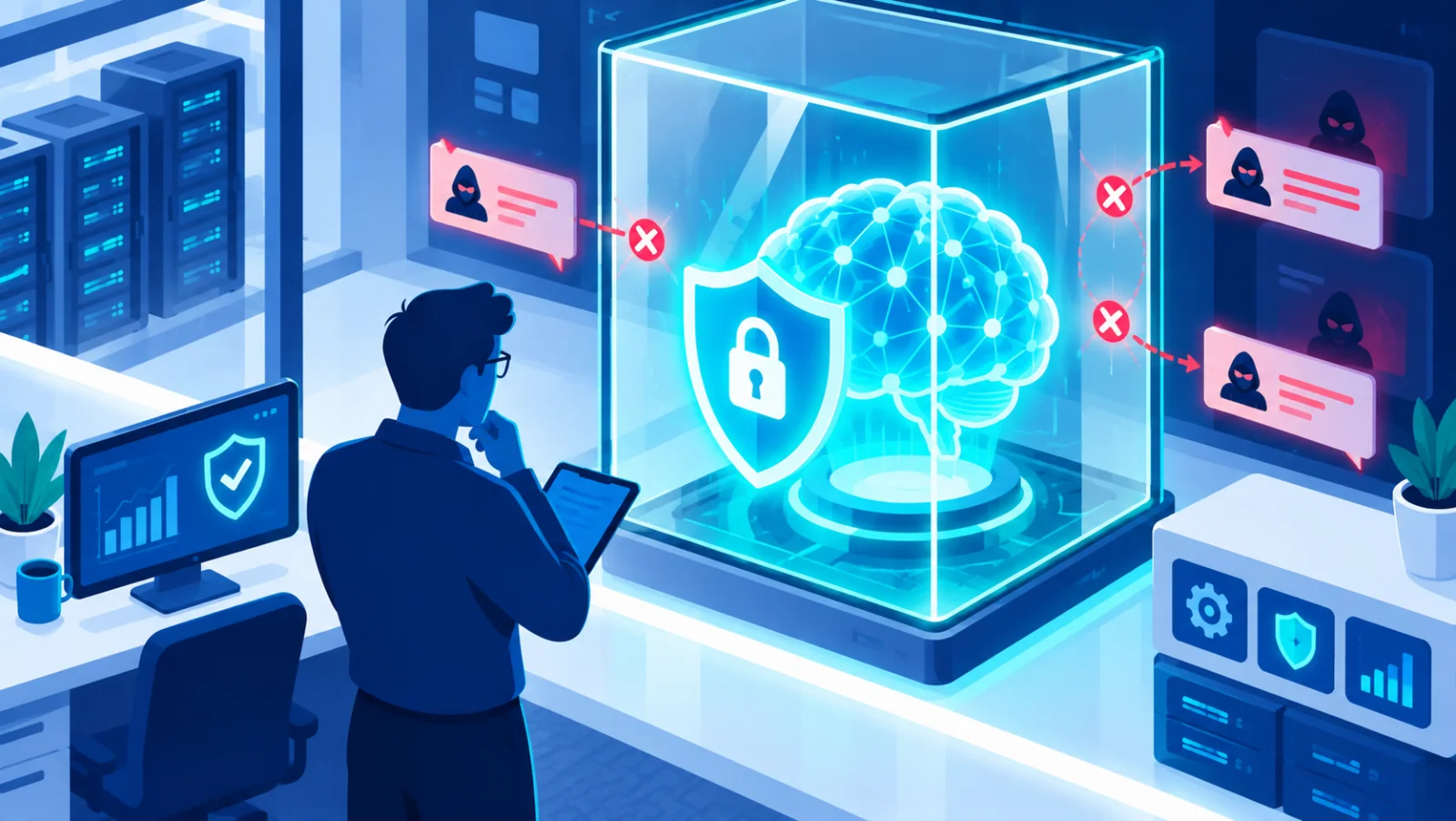
Prompt injection↗ and AI-system attacks are a genuinely new category that most traditional security training doesn't cover yet, and organizations deploying AI tools need practitioners who understand this attack surface↗ now, not in two years.
Passkeys and passwordless authentication are becoming the default architecture organizations are moving toward, understanding both the theory and the practical rollout challenges puts you ahead of a shift that's still underway.
Patch management↗, supply chain risk, and remote-work security testing are less glamorous than offensive research, but they're where most real incidents originate, and where practical, unglamorous expertise makes you genuinely valuable to an employer.
Certifications are a signal, not the substance, but a deliberately chosen certification path does help structure your learning and open doors. Pick certifications that match the direction you actually want your career to go.
Depth beats breadth at this stage of a security career: pick two or three of the areas above, go genuinely deep, stay current as the threat landscape shifts (especially around AI), and let certifications follow your actual expertise rather than lead it.