
Blog & News
Recent developments, analysis, and updates from the world of cybersecurity and AI safety.

NIST has issued new guidance on vetting third-party AI models and training data, treating a poisoned model the same way mature security teams already treat a compromised software dependency.

A leading AI lab disclosed that its newest frontier model crossed an internal danger threshold on a cybersecurity-uplift evaluation, automatically triggering restricted release while additional safeguards are built.

A survey of application security teams finds AI coding assistants reproducing a distinct, recurring set of flaws, and doing it identically across many unrelated codebases at once.

Vishing attacks using AI-cloned executive voices are rising, with attackers needing only a short public recording to produce a convincing impersonation for a wire-transfer request.

DeepMind has open-sourced a testing framework that automates prompt-injection red-teaming, giving smaller teams access to a class of security testing previously limited to well-resourced AI labs.

Chatbot safety filters get bypassed constantly, not through hacking, but through clever phrasing. Here is the structural reason that keeps happening.

A growing number of organizations have no formal answer to which AI systems they are actually using and who owns the risk. Here is what building that answer from zero tends to look like.

An employee pastes a contract into a free AI tool to get a quick summary. It does not feel like a security incident. It might be one.
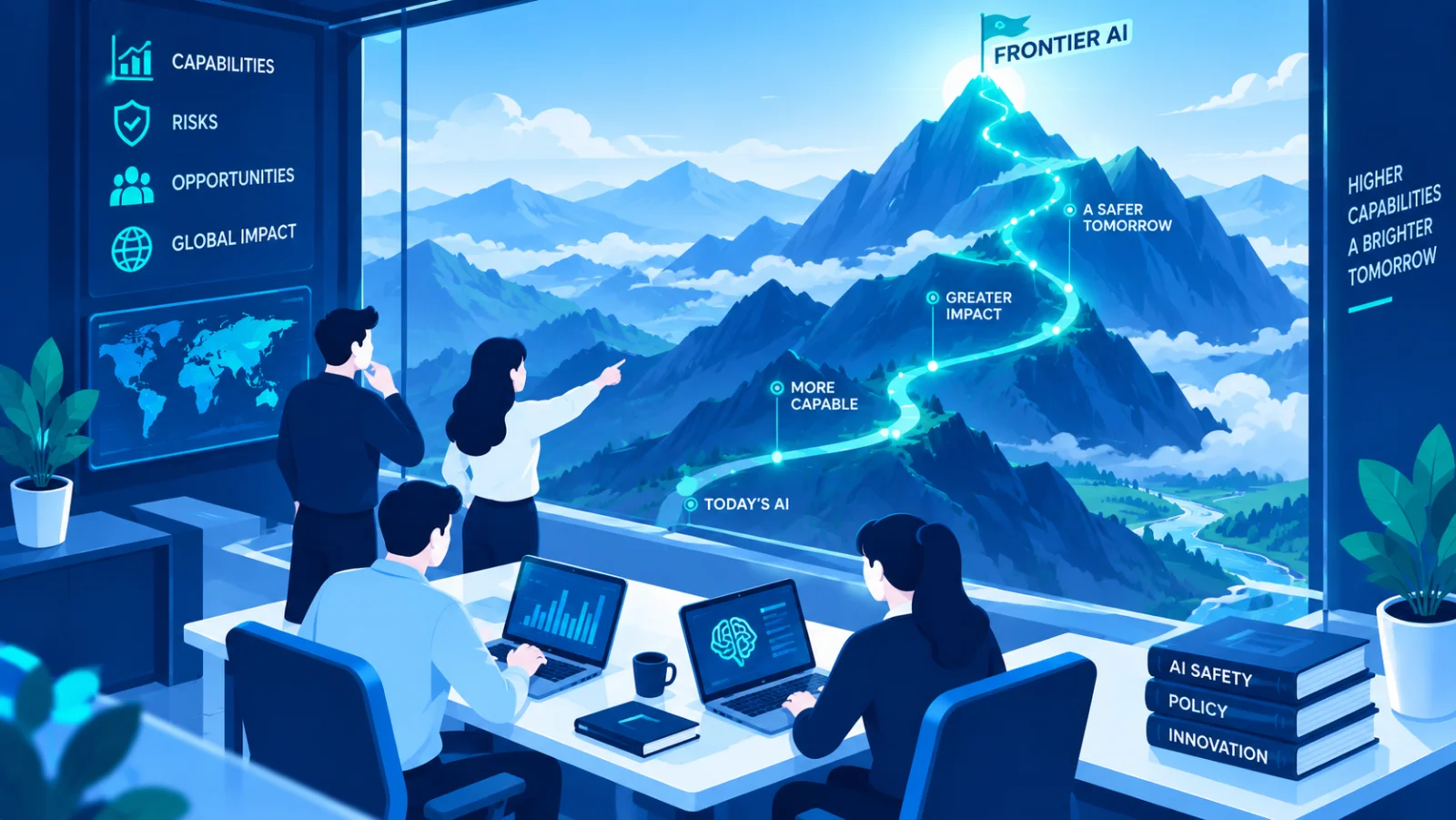
The term gets thrown around constantly and rarely defined. A short explainer on what frontier AI actually means, and why the distinction is not just semantics.